In commercial real estate, the stakes tied to building envelope performance are growing fast. Whether it’s a failed roof triggering emergency repairs or a delayed façade project affecting compliance, exterior assets are often overlooked until they become liabilities. And for portfolio owners managing dozens—or even hundreds—of properties, those liabilities scale quickly.
Altiora now supports portfolio-level exterior inspections across multi-market commercial assets, with repeat engagements designed for institutional review, underwriting, and compliance. At the heart of the company’s offering is a simple but powerful promise: structure, repeatability, and zero operational disruption.
Why Consistency Matters More Than “Good Data”
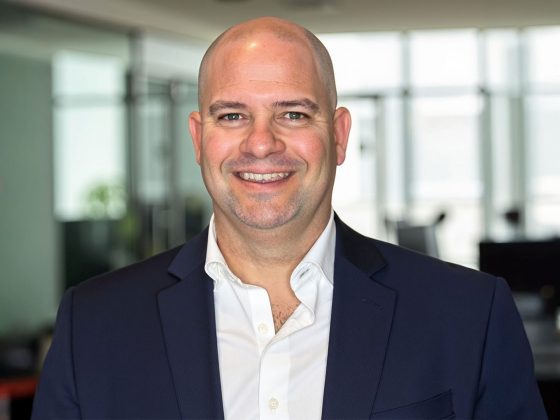
“When you manage a large portfolio, you’re not just looking for good data—you’re looking for consistent data,” says Thomas Homsi. “You need to know that an inspection in Miami is going to look, feel, and read the same as one in Newark. That’s how smart capital plans get built.”
For institutional owners, consistency is what makes data usable. Without it, condition reports become subjective, difficult to compare, and unreliable for long-term planning.
What Institutional Owners Actually Require From Inspections
Decision-makers aren’t looking for flashy dashboards or drone footage alone. They want actionable, insurance-grade documentation that holds up under internal audits, lender reviews, and risk assessments.
In short: clarity, not complexity.
Exterior inspections need to support capital planning, underwriting, and compliance—not introduce more variables into an already complex decision process.
A Portfolio-Wide Protocol Built for Occupied Assets
Homsi and his team designed Altiora’s methodology around this exact requirement: a standardized, portfolio-wide exterior inspection protocol that is as non-disruptive as it is thorough.
Crews conduct inspections without interfering with tenants, onsite teams, or daily operations—making the process ideal for occupied commercial and multifamily assets.
“There’s real value in being low-impact,” Homsi notes. “Our clients appreciate that we can deliver comprehensive condition records without shutting down access, scaring tenants, or dragging out the process. That matters at scale.”
Standardization Turns Fragmented Reports Into Measurable Risk
By standardizing the inspection process and removing friction from the operational side, Altiora enables owners and managers to finally see across their entire portfolio.
Instead of relying on fragmented, vendor-specific reports that vary by city or consultant, assets can be evaluated apples-to-apples. When every building follows the same inspection protocol, risk becomes measurable—and when risk is measurable, it can be managed.
Who Is Adopting This Model
Altiora’s client base continues to grow among:
- Regional REITs
- National property management firms
- Private equity real estate operators
- Institutional asset managers
Across these groups, the shift is consistent: exterior data is no longer treated as a one-off maintenance concern, but as a portfolio-level risk and planning input.
From Reactive Repairs to Proactive Risk Management
As the real estate industry evolves, the operators winning today aren’t just reacting to failures. They are proactively managing risk with better data, tighter systems, and clear visibility into every exterior asset they own.
Homsi and Altiora are leading that shift—bringing discipline and structure to a part of the industry that has historically operated in the margins.
How Altiora Is Deployed at the Portfolio Level
Altiora’s inspection protocol is typically deployed through an initial benchmarking phase, followed by a structured, portfolio-wide rollout. This approach allows owners and managers to establish a reliable baseline before integrating exterior condition data into ongoing capital planning and risk management workflows.
To learn more, follow Thomas Homsi on LinkedIn or visit Altiora’s website.