Most financial professionals fail because they lack clarity. They chase production numbers without understanding what those numbers mean. They hit quotas without connecting their work to purpose. They burn out because activity replaced meaning.
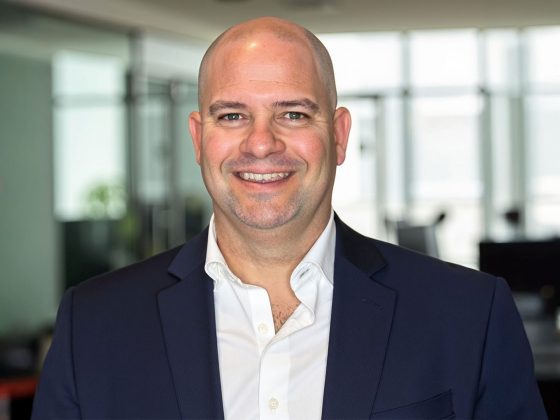
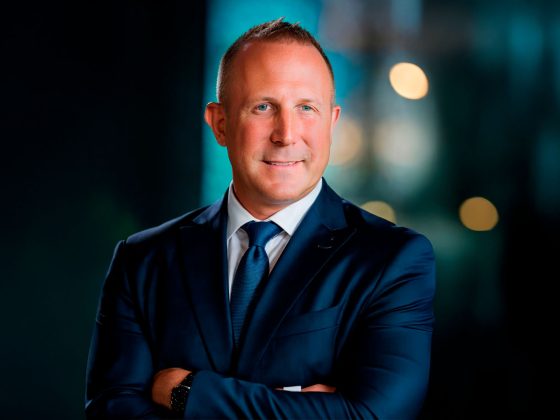
David M. Wilcox has spent over 20 years in sales leadership and team development, from leading divisions in real estate to now mentoring financial professionals as a partner at New York Life in the Colorado General Office, watching this pattern destroy careers that once had potential.
Set a Vision That Resonates Personally and Professionally
People perform better when they know why they’re working toward something, not just what they’re working toward.
“I start every team building conversation with one question,” Wilcox explains. “What does success look like to you?”
Once personal goals are established, the next step is connecting them to a bigger vision: how their work impacts clients, the community, and their own growth. A financial professional who wants to build generational wealth for their family, for example, performs differently when they understand that helping clients achieve financial security is how they create their own.
Wilcox has seen how this connection changes motivation. Early-career agents often focus on income because they’re building financial stability. Mid-career professionals focus on impact because they’ve achieved stability and want work to matter. Late-career professionals focus on legacy because they’re thinking about what they leave behind.
The question “What does success look like to you?” surfaces these different motivations and allows leadership to connect individual purpose to team vision.
Build Accountability That Inspires, Not Intimidates
Accountability isn’t about micromanagement but about structure that supports performance.
“I help agents break their goals into measurable and achievable milestones,” Wilcox notes. “We track progress every week, celebrate the wins, and coach through the challenges.”
The structure matters because without it, big goals feel overwhelming and progress feels invisible. Weekly tracking creates visibility into whether activity is on pace to hit milestones. Celebrating wins reinforces what’s working and builds confidence. Coaching through challenges addresses obstacles before they become missed goals.
“When you create a culture where accountability feels supportive instead of punitive, people show up with more focus and more confidence,” Wilcox explains.
This distinction changes how teams experience accountability. Punitive accountability means getting called out when numbers are down, which creates fear and defensiveness. Supportive accountability means getting help to identify what’s blocking progress and adjusting the approach, which creates trust and problem-solving.
Wilcox has seen how shifting to supportive accountability changes performance. Agents stop hiding struggles and start asking for help early. They share what’s working so others can learn. They view missed milestones as feedback on the approach rather than a judgment of capability.
Prioritize Skill Development and Growth Conversations
Success isn’t just about growing a book of business but about growing people. That means investing time in training, shadowing, and one-on-one mentoring.
“I regularly schedule development check-ins that aren’t about numbers but about skills, mindsets, and long-term trajectory,” Wilcox notes.
These conversations focus on different questions than performance reviews. Performance reviews ask whether goals were met. Development check-ins ask what skills need strengthening, what limiting beliefs are holding someone back, and where they want their career to go over the next five years.
“People don’t leave companies. They leave managers who stop investing in them,” Wilcox emphasizes. High performers who feel developed stay and compound their impact. High performers who feel managed leave for opportunities where growth is prioritized.
Leadership Is Lifting
“If you want to guide teams in goal-oriented financial careers, focus on purpose, build accountability with care, and stay committed to developing people,” Wilcox concludes. “Leadership isn’t about directing, it’s about lifting.”
When teams feel empowered and aligned, goals take care of themselves. Not because the goals are easier, but because people with a clear purpose, supportive structure, and continuous development naturally perform at higher levels.
Connect with David M. Wilcox on LinkedIn for insights on team leadership and goal-oriented financial careers.