Threats are invisible, and your team can’t afford to blink, but margins for error shrink daily.
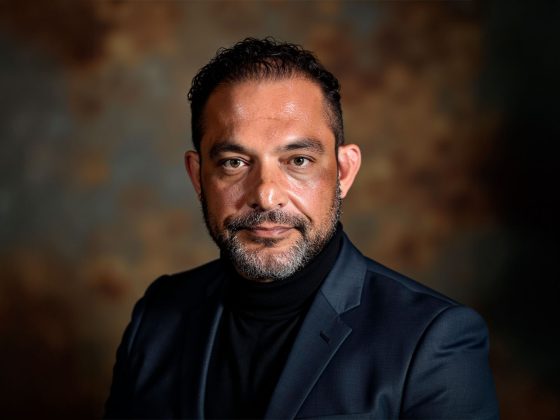
Chris Mashburn is Chief Operating Officer and AI Officer at Jory Healthcare Partners, a retired captain from the Texas Highway Patrol, and a longtime executive in corporate security, healthcare compliance, and operations. Over three decades, he’s led protection details, audited public companies, founded startups, and developed AI-driven compliance systems for healthcare.
“Imagine trying to secure a moving target in a storm where the rules change by the hour,” says Mashburn.
Integrating Risk Across Departments
Risk is interconnected from cyber threats to physical breaches, regulatory gaps, and insider vulnerabilities.
“Many organizations treat these risks separately. That’s a mistake,” Mashburn explains. “True security comes from integration. Your compliance team, your security team, your tech team, they all need to operate on the same playbook.”
Fragmentation creates blind spots. Cybersecurity doesn’t know when physical access controls fail. Compliance doesn’t see IT system changes creating regulatory exposures. Physical security operates without visibility into cyber threats targeting employee credentials.
Integration means intelligence flows in real time. When physical security logs unusual after-hours access, cybersecurity receives alerts to monitor for suspicious network activity. When compliance identifies new regulatory requirements, IT and security assess system impacts immediately. When cyber threats target specific departments, physical security increases monitoring.
Mashburn has helped organizations build systems where this intelligence sharing happens automatically. That’s where resilience begins.
Automating Oversight to Combat Compliance Fatigue
Constant regulatory updates, audits, and shifting enforcement priorities overwhelm teams. Compliance fatigue is fertile ground for failure.
“The solution isn’t just more training, it’s smarter systems,” Mashburn explains. “We’ve leveraged AI at Jory to streamline compliance monitoring in healthcare, flagging anomalies before they become violations. If you’re not automating your oversight, you’re falling behind quickly.”
Most compliance programs operate through manual review, periodic audits, training tracking, and regulatory monitoring. As regulations multiply and enforcement intensifies, workload increases while staff capacity stays constant.
Overwhelmed teams may miss critical updates, delay responses to findings, and struggle to maintain attention to detail. Fatigue triggers failures that become violations.
AI automates oversight. At Jory, AI continuously scans documentation for anomalies, flags potential violations before they occur, and tracks regulatory changes automatically. This reduces manual workload while improving detection speed.
Building Culture Where Compliance is DNA
Technology matters, but culture is your first line of defense.
“Whether I was leading a protection detail or auditing corporate systems, the strongest organizations are the ones where compliance is part of the DNA, not just the checklist,” Mashburn explains. “That starts at the top. Leaders have to model accountability, transparency, and urgency.”
People view compliance as a burden rather than a responsibility. However, with compliance part of the culture, leaders model accountability by following the same processes as everyone else. They demonstrate transparency by discussing compliance challenges openly and show urgency by responding immediately to potential issues.
People don’t just follow checklists; they think critically about risks, speak up when they see problems, and take ownership of outcomes.
Building Organizations That Are Prepared
“Security and compliance aren’t just technical or legal problems,” Mashburn concludes. “They’re leadership challenges. The threats are real, the stakes are high, and the margins for error are shrinking daily. But with the right strategy, systems, and culture, you can build an organization that’s not just protected, but prepared.”
Protected organizations react. Prepared organizations anticipate. The difference is integration, automation, and culture that runs deeper than checklists.
Connect with Chris Mashburn on LinkedIn for insights on navigating security and compliance challenges.