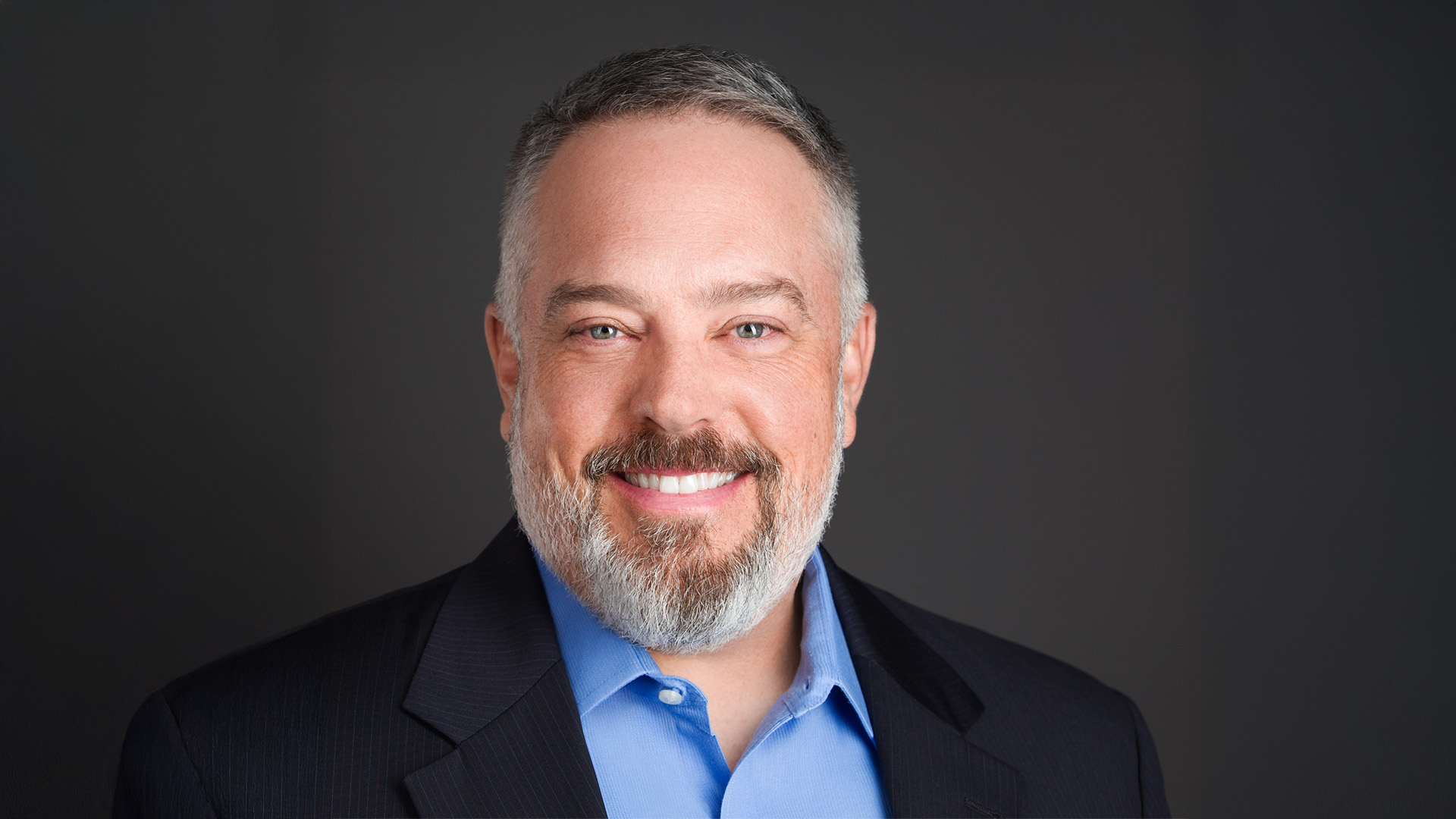
Change in healthcare is often framed as a technology problem – new tools, faster platforms, or more advanced diagnostics. But for Raymond Tarr, that framing misses the point entirely. “The industry doesn’t struggle with innovation,” his perspective suggests. “It struggles with adoption, alignment, and trust.”
After more than 25 years in diagnostics and life sciences, Raymond has seen that breakthroughs don’t fail because they lack capability; they fail because they never fully integrate into the human systems meant to use them. Today, as the leader of Sagacity Diagnostics, his focus is not just on advancing diagnostics, but on fundamentally changing how they are delivered, adopted, and scaled.
Moving Beyond the Illusion of Expertise
Healthcare is crowded with voices claiming to have answers. Strategies, frameworks, and predictions are often delivered without the operational depth to execute them. Raymond draws a sharp distinction between commentary and capability. In his view, meaningful change is not driven by those who talk about transformation, but by those who understand the complexity of making it real.
This is especially true in diagnostics, where the gap between innovation and implementation can directly impact patient outcomes. Identifying the right test is only the beginning. Ensuring it reaches the right patient, at the right time, within the realities of clinical workflows, that is where true expertise is defined.
Adoption Is a Human Problem, Not a Technical One
One of the most overlooked truths in diagnostics is that better technology does not guarantee better outcomes. Even the most advanced tests can remain underutilized if they are not trusted, understood, or seamlessly embedded into care pathways. Raymond emphasizes that adoption requires intentional design around people, not just products.
That means aligning stakeholders early, from clinicians to administrators. It means investing in education so that new tools are not perceived as disruption, but as enablement. It means building support systems that match the sophistication of the diagnostics themselves. In this model, success is not measured by innovation alone, but by utilization. A diagnostic only creates value when it becomes part of everyday decision-making.
Collaboration as a Strategic Imperative
Solving systemic healthcare challenges cannot happen in isolation. Raymond rejects the idea of siloed innovation, where companies develop solutions independently and expect the system to adapt. Instead, he advocates for ecosystem-wide collaboration. This includes partnerships across biopharma, health systems, and technology providers, all aligned around a shared objective of accelerating the path from diagnosis to treatment. When these stakeholders move together, barriers such as fragmented data, delayed testing, and inefficient workflows begin to break down. The result is not just improved diagnostics, but a more connected and responsive healthcare system.
From Diagnostic Insight to Real-World Impact
For Raymond, diagnostics is deeply personal. Behind every delayed diagnosis or missed test is a patient, a caregiver, and a clinician navigating uncertainty. That lived reality shapes his emphasis on access and equity. Scaling diagnostic solutions globally requires more than distribution. It requires market shaping, infrastructure development, and a clear understanding of regional healthcare dynamics. It also demands a commercial mindset, one that connects diagnostic insight to measurable outcomes, from improved patient identification to accelerated clinical trial enrollment. This is where many strategies fall short. They stop at innovation, rather than carrying through to impact.
The Leadership Mindset Behind Meaningful Change
At its core, Raymond’s philosophy is about accountability. Not just for ideas, but for results. Leadership in diagnostics, as he frames it, is not about positioning or visibility, it is about execution under complexity. That mindset requires a willingness to challenge the status quo, to question widely accepted assumptions, and to prioritize outcomes over optics. It also requires resilience. Transforming healthcare systems is slow, often resistant work, but progress comes from those willing to engage with that reality rather than bypass it.
Building a Movement, Not Just a Company
What distinguishes Raymond’s approach is the scale of ambition. The goal is not simply to grow a diagnostics business, but to drive a broader shift in how healthcare delivers answers. Access, equity, and smarter decision-making are not side objectives; they are central to the mission.
In an industry often distracted by noise, meaningful change is not driven by those who speak the loudest, but by those who build, align, and deliver consistently over time. The future of diagnostics will not be defined by who innovates first, but by who ensures innovation actually reaches the people who need it most.
For more insights, reach out to Raymond Tarr on LinkedIn or visit his website or Sagacity Diagnostics.