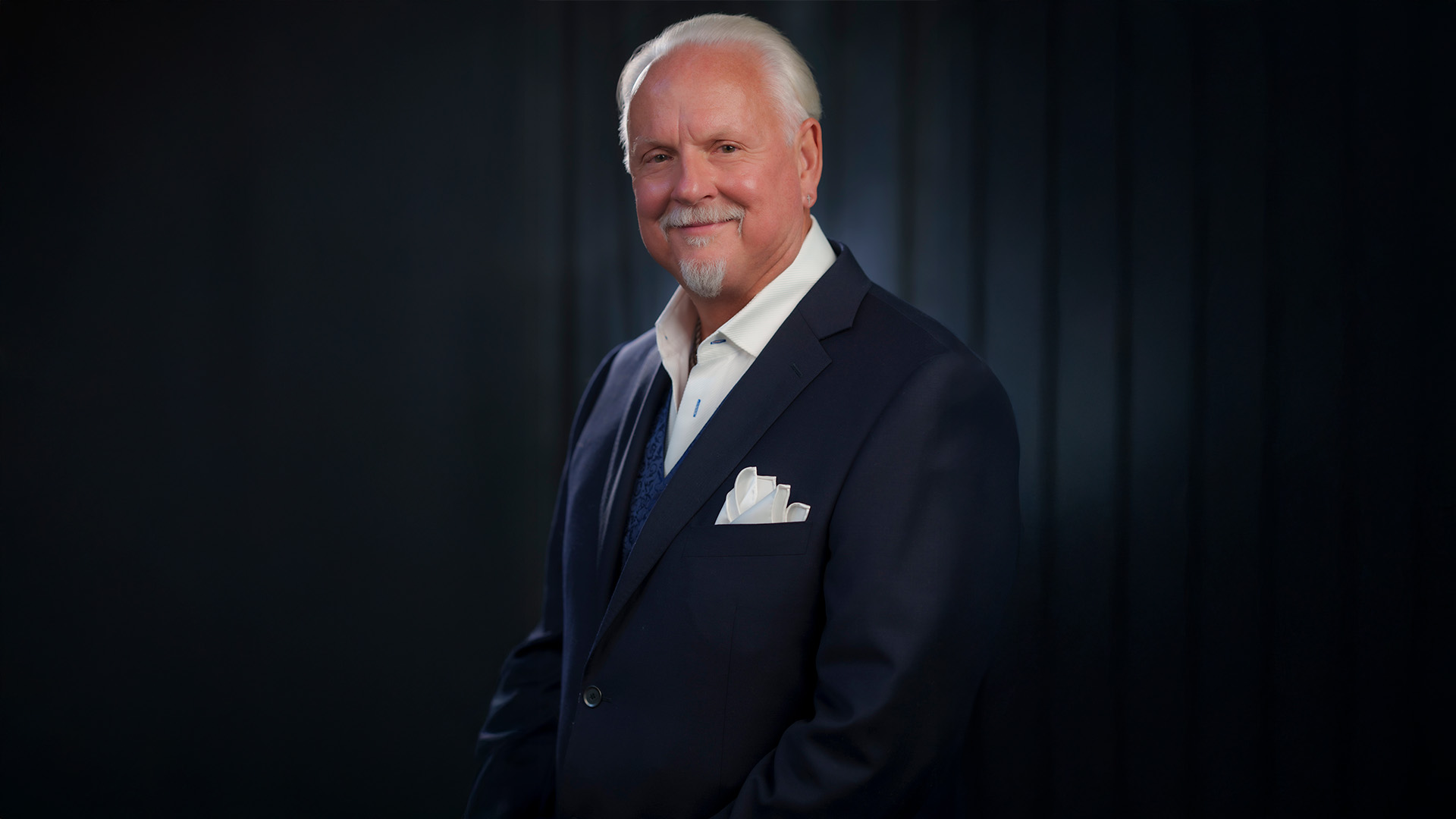
Corporate leadership often struggles with turning ambitious goals into measurable results. The gap between setting targets and achieving them can make or break business performance. Bruce J. Cramer brings decades of corporate experience to this challenge, combining proven coaching methodologies with practical insights gained from leading teams through profitable growth cycles.
Combining Corporate Lessons with Coaching
Bruce spent years climbing the corporate ladder, watching teams succeed and fail at delivering business results. Those experiences, both positive and challenging, shaped his understanding of what separates high-performing organizations from those that struggle. “I’ve spent decades in corporate America leading teams to deliver strong business performance and profitable growth,” Bruce explains. Now he combines those hard-earned lessons with Focal Point’s coaching system, inspired by Brian Tracy’s methodologies. The result is a practical approach that helps leaders cut through confusion and drive real transformation. “I get to take all the lessons, the good, the bad, the ugly and combine that with Focal Point’s world-renowned proven coaching system,” he notes.
The Foundation of Transformational Results
Most business leaders know they should set goals, but few understand the science behind making them work. He has identified four critical elements that separate successful goal-setting from wishful thinking. The foundation starts with something many executives overlook in their rush to hit numbers. “You need to set clear goals with purpose. You need the why,” Bruce emphasizes. Without this foundation, even the most detailed plans fall flat. “Many business leaders tend to set their purpose based on their values and their mission, and I applaud them because without that, your goal is nothing but a to-do list item,” he explains. Purpose drives engagement at every level, from individual contributors to senior leadership.
The SMARTER Framework in Action
Beyond the familiar SMART criteria, Bruce advocates for an enhanced approach that addresses common implementation failures. Most people know about making goals specific, measurable, achievable, relevant, and time-bound. But that’s where many stop, missing two crucial components that make the difference between success and failure. “The SMARTER adds the E and the R, and that’s about being evaluated and revisited,” he points out. This addition transforms static goal-setting into a dynamic process that adapts to changing business conditions. His clients, particularly those running early stage companies, meet weekly to review progress. Some organizations check in monthly or quarterly, which Bruce considers far too infrequent. “If you’re allowing a month or three months to go by, you are at risk because as we all know, as we pursue our goals, sometimes we need to course correct,” he warns.
Cascading Goals Throughout the Organization
Individual goal-setting only gets you so far in business. Real transformation happens when entire organizations align around shared objectives. Bruce teaches his clients to engage every leader, both formal and informal, in driving goals throughout their companies. “You engage every formal as well as informal leader in your company to drive those goals as far down into the structure and across as they possibly can,” he explains. This approach creates clarity about how individual contributions connect to bigger picture outcomes. When people understand their role in organizational success, focus and ownership naturally follow. The result is significant impact that goes beyond what any individual contributor could achieve alone.
Recognizing Wins for Momentum
Recognition might seem secondary to goal achievement, but he considers it essential for sustained performance. He starts every client session by discussing recent wins, forcing busy leaders to acknowledge their progress. Most executives get caught up in the next challenge without recognizing what they’ve accomplished. “As we get busy and we have 101 things going on, we usually don’t sit back and realize what we’ve actually accomplished,” Bruce observes. This practice energizes his clients in unexpected ways. “They make comments such as, ‘My God, I got a lot more done than I thought,'” he shares. Beyond motivation, celebrating wins reinforces desired behaviors throughout the organization.
His system isn’t complicated, but it requires discipline. “Effective goal setting is as much an art as it is a science,” he concludes. The weekly meetings take 30 minutes. The payoff is teams that consistently beat their targets while dealing with less stress and confusion. “If you do this, you will not only hit your targets, but you will exceed them with far less stress and a hell of a lot more clarity throughout your organization,” Bruce promises. The science works, but only if you actually use it.
Follow Bruce J. Cramer on LinkedIn to learn how coaching-driven goal systems improve performance and clarity across entire organizations.