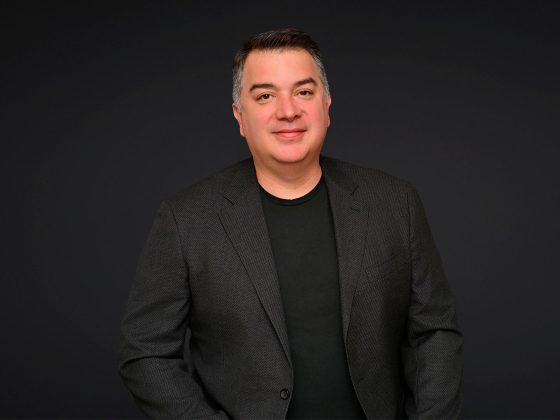
Security is failing where it matters most. Construction sites worth hundreds of millions sit exposed overnight. Remote facilities operate in isolation, vulnerable to theft, vandalism, and operational disruption. The problem is not a lack of cameras. It is a failure of adaptability. Tariq Amassyali, Founding and Managing Partner of Tower Patrol, has spent his career operating in high-risk, constantly shifting environments. According to Amassyali, the future of security will belong to organizations that adapt faster than the threat. “High-risk sites teach us something fundamental,” he explains. “Static protection in a dynamic environment is a structural weakness.”
Mobility is the New Foundation
While high-risk environments do not stay still, many organizations continue to rely on fixed surveillance infrastructure designed for permanent facilities. The result is blind spots, lag time, and reactive response. Mobile, rapidly deployable surveillance systems fundamentally change that equation. Instead of waiting weeks for installation or expansion, security coverage can be deployed within hours. As operations evolve, protection moves with them.
In large-scale construction projects, this approach has led to measurable reductions in theft, fewer project delays, and meaningful insurance savings. More importantly, it compresses response time. When a verified threat is detected in real time, teams can intervene before the losses occur. “Mobility creates operational leverage,” says Amassyali. “You secure first. You build second. Not the other way around.” In volatile environments, speed is protection.
Intelligence Outperforms Equipment
For years, the industry equated more hardware with stronger security, but volume does not equal insight. “More cameras don’t equal protection,” Amassyali notes. “Without intelligence, you’re just collecting footage.” AI-enhanced systems transform passive video streams into proactive detection platforms. Suspicious patterns are flagged automatically; false alarms are filtered out and verified threats are escalated.
The impact is both operational and financial. Organizations experience double-digit reductions in false dispatches. Security teams spend less time reviewing irrelevant footage and more time acting on credible alerts. Executives gain clearer visibility into risk exposure across distributed sites. Intelligence changes the role of security from monitoring to decision support. “The winners in this industry will not have the most equipment,” Amassyali says. “They’ll have the smartest systems.”
Resilience is the Ultimate Advantage
High-risk environments often operate under unstable conditions. Power interruptions, weather exposure, limited connectivity, and remote access challenges are not exceptions – they are expectations. Yet many security systems still depend on uninterrupted infrastructure. That fragility creates hidden risk.
Resilient security platforms are designed to operate off-grid when necessary. They include remote accessibility, redundant power systems, and hardened connectivity. When primary networks fail, protection does not. Downtime in these environments is costly: equipment theft can stall projects for weeks, vandalism can compromise safety, and operational interruptions can cascade across supply chains. “Resilience is not a premium feature,” Amassyali emphasizes. “It’s a requirement for trust.”
Organizations that invest in resilient systems do more than prevent incidents. They protect timelines, safeguard capital, and preserve stakeholder confidence. In industries where margins are tight and reputations are hard-earned, that stability becomes a competitive differentiator.
From Reactive Protection to Strategic Risk Management
The broader lesson from high-risk sites is not about cameras. It is about mindset. Traditional security reacts: it records and investigates after a loss occurs. Strategic security anticipates: it analyzes and intervenes before damage escalates. At Tower Patrol, Amassyali has built a model centered on AI-enhanced mobile surveillance not as a product, but as a shift in operating philosophy. Security becomes integrated into growth strategy, risk management, and operational planning.
“High-risk environments force clarity,” Amassyali reflects. “They show you very quickly whether your protection model is built for yesterday or for tomorrow.” The future of security will not be defined by higher walls. It will be defined by systems that are mobile, intelligent, and resilient enough to evolve alongside the risks they are designed to contain.
Connect with Tariq Amassyali on LinkedIn or visit his website for more insights.