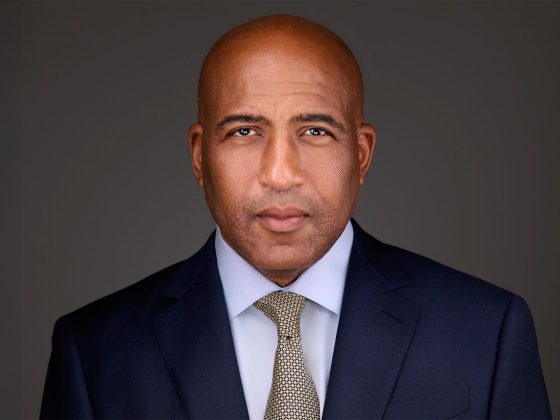
Many business leaders focus on product features and pricing strategies when trying to keep clients happy, but they’re missing a crucial piece of the puzzle. The real secret to lasting client relationships often lies within their own teams, where internal dynamics directly shape every customer interaction. Volker Jaeckel, a leadership coach and behavioral strategist with over four decades of experience, has discovered that fixing team problems first creates the foundation for everything else to work.
Uncovering the Real Client Problem
Volker has seen enough boardrooms and broken teams to spot the patterns that most leaders miss. “I’m a leadership coach, behavioral strategist, and someone who’s spent over 40 years helping overwhelmed executives lead with clarity and confidence,” he explains. His work spans the globe, with more than 40 publications and countless hours spent watching businesses either thrive or fall apart. The breakthrough moment came when he realized that client retention problems weren’t really about clients at all. “Strong client retention doesn’t start with your product or your pitch. It starts with your people,” he notes. This insight shifted his entire approach to helping companies build lasting relationships with their customers.
Internal Clarity Drives External Consistency
The first piece of the puzzle centers on getting teams aligned internally before they can serve clients effectively. Volker has watched too many companies struggle with basic coordination, creating ripple effects that clients notice immediately. “When your team operates in chaos, unclear roles, mismatched communication, or misaligned goals, that dissonance shows up in your client experience,” he observes.
Clients pick up on inconsistency faster than most business leaders realize. A confused customer service rep, mixed messages from different departments, or unclear processes all signal to clients that something isn’t working behind the scenes. That’s where frameworks like DISC and the Platinum Rule come into play. “Using frameworks like DISC and the Platinum Rule, I help teams understand how they interact, and more importantly, how they can adapt to serve both each other and your clients better,” he explains. When teams finally get in sync, the results show up everywhere. “When your team is in sync, your brand voice, service quality, and follow-through become predictably excellent.”
The Power of Responsive Leadership
Building great client relationships requires more than just solving problems when they arise. It’s about creating a culture where teams know how to respond when things get complicated. “Clients don’t just stay because your solution works. They stay because they feel heard, respected, and valued, especially when things go sideways,” he points out. The tone gets set at the top, but it flows through every level of the organization. Leaders who handle stress well create teams that can navigate difficult client situations without falling apart. “A responsive team culture starts at the top. Leaders set the tone for how their teams handle stress, change, and client concerns.”
Volker’s approach goes deeper than surface-level customer service training. “By introducing the leaders and their teams to insights on how different behavioral patterns among them and their clientele work, we infuse a genuine response and action taken, resulting in long-term loyalty to the team, but also the customer base.” Understanding these behavioral patterns helps teams respond authentically rather than following scripts that feel hollow.
Retention is a Team Sport
The final piece involves recognizing that every person in the organization affects client relationships, whether they realize it or not. “Every interaction matters. Whether it’s sales, support, or strategy, each touchpoint shapes a client’s experience,” Volker emphasizes. This reality means that client retention can’t be delegated to one department or person. His holistic approach addresses the entire team dynamic rather than focusing on individual performance issues. “That’s why I focus on optimizing team dynamics holistically. Cross-functional trust, shared accountability, and clear communication aren’t soft skills, they’re your competitive edge.” The connection between internal teamwork and external results becomes clear when you see it in action. “High-functioning teams build stronger relationships. And stronger relationships build better retention.” It’s not complicated, but it requires intentional work to make it happen.
For leaders ready to stop guessing and start building better teams, he offers a concrete timeline for transformation. “If your client relationships feel fragile, or your team’s out of sync, it’s time to stop guessing and start aligning.” His approach comes with a specific commitment that reflects his confidence in the process. “Let’s connect and give me just 100 days. In those 100 days, I will help any leader and their teams go from a dysfunctional family to a dynamic and harmonious one with one objective: That your clients stay longer, feel good about you and your mission, spend more, and want to be your best cheerleaders on your behalf.”
Learn more about Volker Jaeckel’s leadership strategies on LinkedIn or connect via his websites: vj.focalpointcoaching.com and volkerjaeckel.com.