This is one of the most competitive executive leadership markets in recent years. Economic shifts and layoffs have reshaped the landscape. Highly capable leaders, many with strong track records, are in transition through no fault of their own. Some have been searching for a year or more.
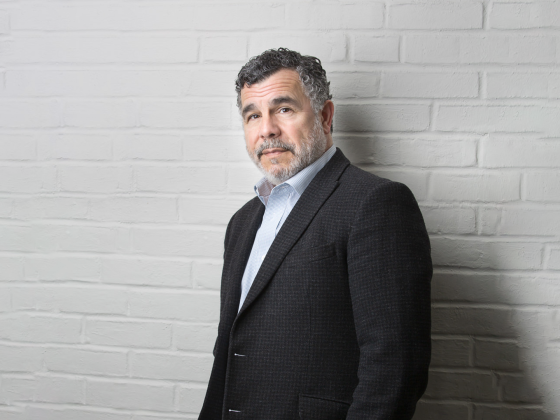
According to Lori Clement, senior executive recruiter and leadership advisor at DRG Talent, the rules have changed. “In an employer’s market, the goal is not to try harder,” she explains. “The goal is to prepare smarter and lead with clarity.” For CEOs and executive directors pursuing their next role, preparation is no longer administrative. It is strategic.
Make Your Fit Obvious in One Sentence
When talent is abundant, organizations can afford to be highly selective. Boards and search committees often look for a rare combination of enterprise scale, transformation leadership, and culture-building credibility. “CEO and executive director searches do not reward generic excellence,” Clement says. “They reward a clear story.”
She advises candidates to define their leadership lane in one sentence. Not a list of responsibilities or a career summary. Instead, a sharp articulation of the problems they solve and the environments in which they solve them best. “Don’t lead with all of the responsibilities you held. Lead with outcomes. What have you achieved?” she says. This shift reframes a candidate from experienced to essential. It reduces the cognitive load on decision makers and makes alignment easier to see. Clarity is not self-promotion. It is a risk reduction for the employer.
Tell One Coherent Leadership Story
Executive searches not only evaluate competence, but they also assess risk. “If each touch point tells a different story, then you look like a risk,” Clement warns. “And in this market, perceived risk is what gets you screened out.” Your resume, LinkedIn profile, interviews, and references all must reinforce the same leadership narrative. That narrative should connect three elements: the problems you solve, the context in which you solve them best, and the leadership behaviors others can rely on under pressure.
Strong candidates are often eliminated because they present as functional leaders rather than enterprise leaders. Boards are looking for someone who can hold the whole system. Clement encourages candidates to prepare examples that demonstrate cross-organisational trade-offs. “Talk about how you allocated resources, handled competing priorities, and protected mission, margin, and people at the same time.”
Search committees are often asking deeper questions beneath the surface. Can this person lead through ambiguity? Can they build trust quickly? Can they make difficult decisions and bring stakeholders with them? Your story must answer those questions before they are asked.
Treat the Search Like a Campaign
Long searches can diminish confidence. Activity alone does not solve that problem but structure does. “If you’ve been searching for months, you don’t need more activity,” Clement explains. “What you need is a better operating system.” She recommends creating a disciplined weekly cadence centered on three lanes: targeted outreach, visibility-building, and interview readiness. Each lane should be measurable. Identify where momentum is building and where it is stalling, and then adjust deliberately.
“I want you to treat the search like a campaign,” she says. “You have a weekly cadence, clear lanes, measurable traction, and disciplined adjustments.” This approach shifts the search from reactive to strategic. It restores agency and sharpens positioning over time.
Preparation Is Leadership
“In today’s employer’s market, preparation is leadership.” For CEOs and executive directors, that preparation means leading with outcomes instead of duties, articulating a clear leadership lane in one sentence and demonstrating enterprise-level trade-off decision-making. The executives who stand out are not necessarily those who try the hardest. They are the ones who prepare with precision.
Connect with Lori Clement on LinkedIn or visit her website for more insights on how to prepare for CEO and executive director opportunities.