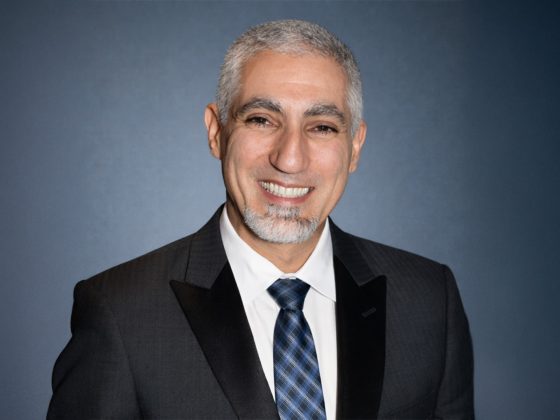
Every human capital management (HCM) platform switch comes with a promise of better technology, better workflows, and better outcomes. What the pitch rarely addresses is the risk of data being left behind. Tony Buffolino, Chief Operating Officer (COO) at Calibrate HCM and a decade-long veteran of HR technology implementation and large-scale software delivery, has watched historical data migration get minimized and overlooked consistently across platform transitions. The downstream consequences of that oversight are not minor. “Historical HR data such as pay history, time detail records, I-9s, signed company policies, pay stubs, and performance reviews can serve as a lifeline and insurance policy when it comes to audits, litigations, and employee experience,” Buffolino says.
Your Historical Data Belongs in Your New System
The standard industry approach to historical data during an HCM transition is to extract it, hand it over, and move on. Some vendors go further, placing legacy data in a separate system that organizations pay indefinitely to access. Neither approach serves the organization. Both create the fragmentation that makes historical data difficult to find when it matters most.
Calibrate’s position is different and deliberate. “Our goal is to move as much historical data as possible into your new HCM platform,” Buffolino says. “That way your historical data lives in the same place as your current data, integrated, accessible, and reportable.” When an audit surfaces or a litigation question arises, the data is not in an adjunct third-party system requiring separate access and separate cost. It is where it should have been from the start, inside the platform the organization runs on every day.
A Methodology Built for Accuracy and Security
The technical execution of historical data migration determines whether the promise of a clean transition is actually delivered. Calibrate’s approach combines automation, AI-driven data processing, and expert oversight across a structured process that begins well before any data reaches the new platform. “We start with a detailed access audit of existing systems, then map, cleanse, and validate data before it ever reaches the new platform,” Buffolino says. Data that arrives in a new system unvalidated introduces errors and redundancies that pile up over time, eroding confidence in the platform and creating compliance exposure the organization did not anticipate. “When you flip the switch to your new platform, your legacy data is accurate, organized, and accessible,” he says. The methodology exists specifically to ensure that the moment of transition is not also a moment of risk.
Removing the Load From HR Teams
The third dimension of Calibrate’s approach addresses something that data migration frameworks frequently ignore, and that is the human cost of the transition itself. HR teams managing a platform switch are simultaneously handling implementation, maintaining day-to-day operations, and managing the organizational change that comes with new technology. Adding historical data migration to that load is a risk to all three.
“HR teams have enough on their plate during an HCM technology transition,” Buffolino says. Calibrate manages the historical data migration process end-to-end, aligning timelines with both the incoming and departing HCM vendors, maintaining clear communication throughout, and ensuring historical data is loaded and accessible in the new platform before it goes live. “The result is a smooth transition with no data loss and minimal disruption,” he says. The HR team stays focused on the work that requires their expertise. The migration is handled by people for whom it is the only priority.
A Platform Switch Should Be an Opportunity
The organizations that approach HCM transitions strategically treat historical data migration as a foundational element of the transition itself. The integrity of legacy data determines the organization’s ability to meet compliance obligations, defend against litigation, and deliver the seamless employee experience that modern HR platforms are designed to support. “Switching HCM platforms should be an opportunity, not a headache,” Buffolino says. Calibrate’s approach exists to ensure that the legacy data the organization has accumulated over the years arrives in the new system as if it had always been there, accurate, organized, and ready to serve the business for years to come.
Follow Tony Buffolino on LinkedIn to learn more about Calibrate HCM and how they simplify historical data migration for organizations switching HCM platforms.