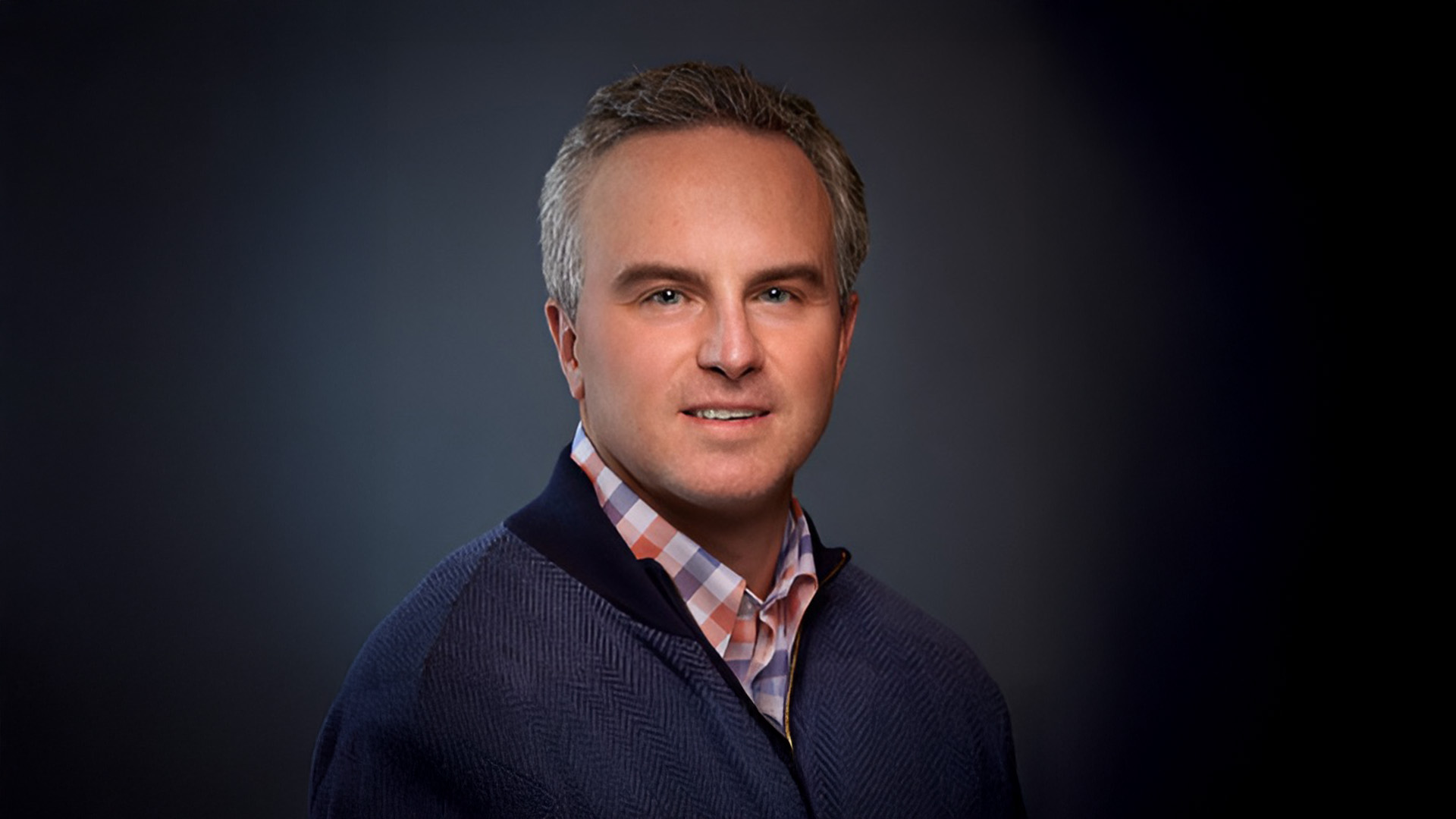
Healthcare systems keep hearing the same message: adopt AI or get left behind. UPMC is choosing a different path, moving at its own pace, and with good reason. James Bauersmith, VP at UPMC, works across investment and operations, and he is not interested in deploying AI everywhere simply because the industry feels pressured to do so. After nine months of real world testing, he has a clearer view of what works, what does not, and what is at stake when technology touches patient care.
Testing AI in One Facility
UPMC has 42 hospitals. Right now, it is testing ThinkAndor, an AI platform, in exactly one of them. “We are still kind of testing it out,” Bauersmith says. The pilot has been underway for about nine months. To anyone outside healthcare, that might seem slow. Inside healthcare, slow is often the safest choice.
The focus of the pilot is readmissions, the cases where patients return to the hospital shortly after discharge. “It is really about readmissions, about monitoring readmissions and understanding what that is,” he explains. The data is still coming in, so no one is declaring a breakthrough yet. One clear positive so far is the strength of the relationship with the vendor. “We have been pleased with the level of service and how really, frankly, cooperative and partnership oriented they are.”
Recognizing Risks in AI Adoption
Bauersmith is open about his reservations regarding AI. “I am a little bit of a skeptic,” he admits. At the same time, skepticism in 2024 cannot simply mean refusal. “We have to realize that this is now going to become part of the norm,” he says. “Rather than fighting it, I think we have to find ways to embrace it.”
For him, embracing AI means moving with intention, not speed. “I think part of how we embrace it is taking a stepwise approach to how we implement it and how we see it put across the system,” he explains. His caution comes from experience with emerging technologies. “There are still things being worked out. There are lots of bugs in it,” he notes. He is referring not only to individual platforms, but to AI as a broader concept. In his view, healthcare organizations cannot afford to learn hard lessons at the expense of patient safety.
Protecting Patients Above Everything Else
Every decision around AI at UPMC ultimately comes back to a single principle. “At the end of the day, it is about do no harm. It is about care for our patients,” Bauersmith emphasizes.
For him, that is not a slogan. It is the filter through which every AI proposal must pass. UPMC is examining AI through multiple lenses, including workflow, operational efficiency, and opportunities across both its payer and provider operations. “The reality is it is here and it can be useful,” he says. The question is no longer whether AI will matter, but how to bring it into the system without creating new risks.
So far, the most promising results are emerging in small, targeted applications. “We are seeing it in little pockets here and there in how we think about workflow,” he says. These small wins help prove the concept before anyone considers larger scale deployment. The approach is not dramatic, but it is careful and responsible.
A Perspective Shift
A recent conference also influenced Bauersmith’s thinking. “The biggest thing I have learned is how wide the aperture is, how many touch points it can really have and how applicable it can be,” he reflects. Seeing how other organizations are using AI exposed him to applications he had not previously considered. “There are a lot of areas where I just had never thought about AI implementation as being beneficial,” he admits.
The skeptic is evolving, but on his own terms. When asked where he stands now on AI, Bauersmith keeps it simple. “I am getting around,” he says. Not converted, not fully committed, simply moving toward a more open stance. For a healthcare system responsible for patient lives, that kind of measured, principled approach may be exactly what responsible AI adoption should look like.
Connect with James Bauersmith on LinkedIn to follow more insights on thoughtful healthcare innovation.