Healthcare cannot keep running on outdated systems while expecting modern results. The real challenge is not just buying new technology. It is getting 19 different hospitals to work together after they have been acquired, each one operating its own way.
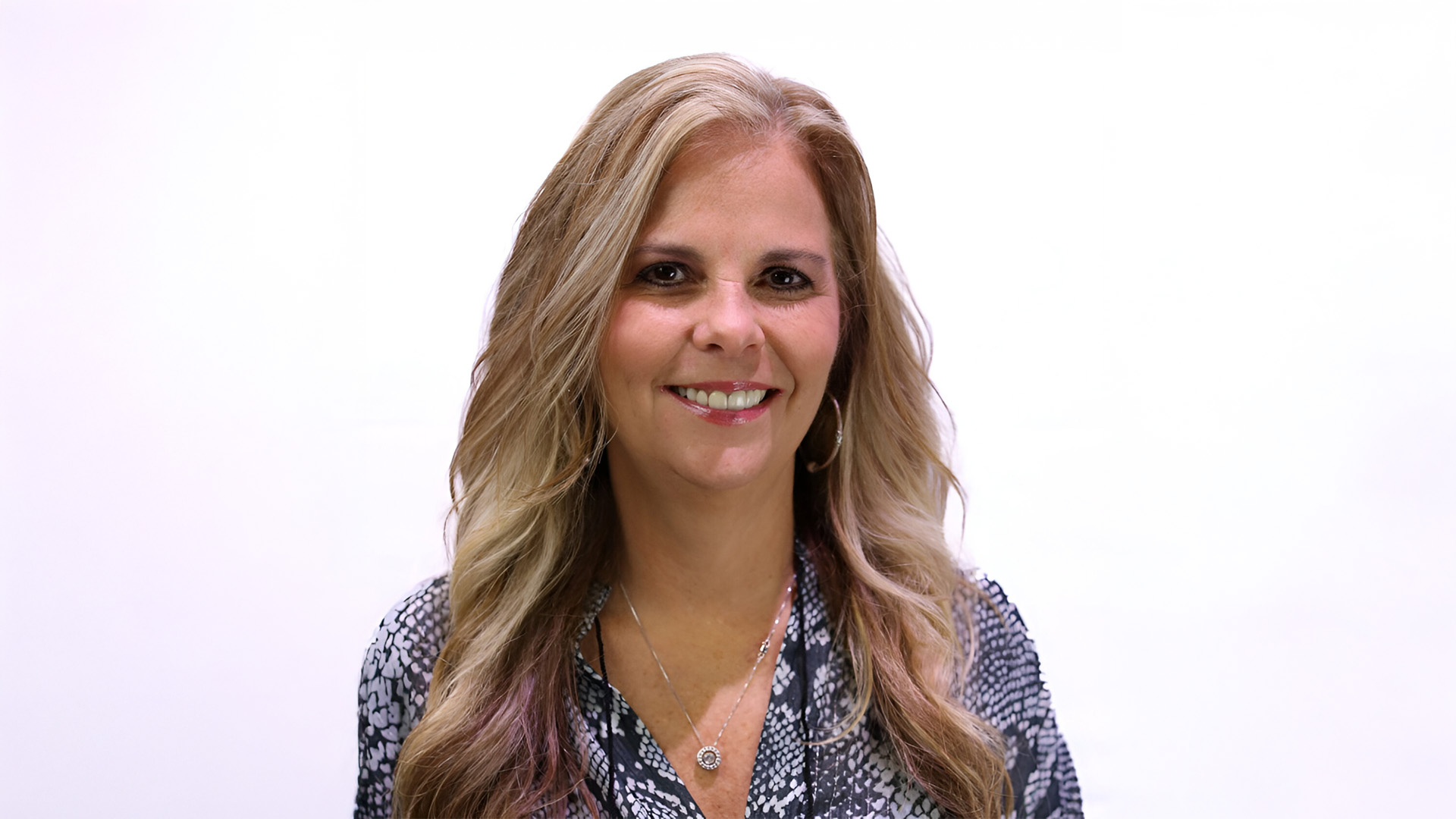
Kimberly Mason has been in healthcare for 30 years, and for the past year and a half she has been tackling this exact problem at Deaconess Health System. Her take on people who are scared of AI is simple. You need to get on board fast.
Building Healthcare Experience Foundations
Few people stay in healthcare for three decades unless they believe the work is meaningful. Mason has seen nearly every corner of the industry. She has worked provider side, payer side, and spent years in product development and implementation.
“I started in post-acute care and I have moved over to the ambulatory space,” she says. Along the way she worked with Optum on revenue cycle management. All those years moving between different parts of healthcare gave her something rare. She understands how the pieces connect because she has worked on almost all of them.
Now she is part of the innovation and digital transformation team at Deaconess. The title sounds polished, but the reality is more complex. The team’s mission is to help 19 hospitals operate as one unified system. Mention AI in a hospital and tension usually appears. Mason does not share that anxiety. “It is definitely helping people do more of what they love, that purpose, that passion they have always had,” she explains.
In her view, AI should handle repetitive administrative work so nurses and doctors can focus on patients. She is also very aware of the pace of change. “It is slowly coming and now it is fast,” she says about the acceleration of AI in healthcare. Deaconess prefers to adopt new solutions early rather than wait. Innovation in healthcare, however, means dealing with messy realities, especially when the organization keeps expanding.
Navigating Hospital System Mergers
Deaconess continues to grow. Every acquisition brings a new set of systems, workflows, and habits. “You have a lot of disparity, many different solutions that you are trying to integrate all into one,” Mason explains. At that point leadership has to decide. Do you standardize everything onto one platform, or do you find a way to connect multiple systems? Neither option is simple.
This is where Mason’s work becomes essential. She leads due diligence on new solutions. She identifies genuine problems and evaluates which vendors can solve them. Virtual nursing is a major focus right now, but it is only one part of a much larger strategy.
Selecting AI First Healthcare Vendors
Most healthcare AI vendors offer one narrow solution. Andor stood out. “They are across the continuum of care,” Mason says. Instead of offering a single feature that must be forced into an existing workflow, their platform connects more of the patient journey.
Another reason Deaconess took interest. “It is an AI first strategy,” she says. The platform is built from the ground up with AI rather than adding AI after the fact. People in many industries are nervous about AI taking their jobs. Mason’s advice is direct.
“Do not be scared. You need to embrace it. If you do not adopt it, then you may not have a job,” she says. This may sound harsh, but it is realistic. Technology is not going away simply because people are uncomfortable. “Whether you are in healthcare or any other industry, it is here,” she says.
Her philosophy is straightforward. Be proactive. Do not wait to see how AI changes your work. Learn it, apply it, and make it work for you before someone else decides how your role will change without your input.
Connect with Kimberly Mason on LinkedIn to follow her leadership insights on AI and healthcare transformation.