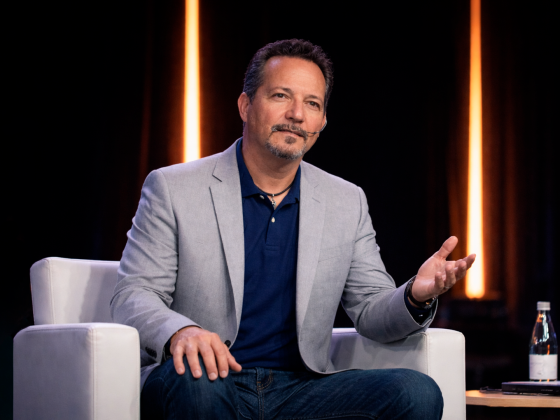
Meetings have become a modern workplace paradox. They’re meant to drive progress but often drain time and energy instead. But it doesn’t have to be this way. Alex Dripchak, Sales Director, AI advisor, coach and author of 100 Skills of the Successful Sales Professional, believes that by reframing how we plan, structure, and approach meetings, organizations can reclaim hours of lost productivity without sacrificing collaboration or connection.
Defining the Finish Line
In his view, meetings should be spaces for real progress. Not placeholders for productivity. His first principle for a better meeting is to start with the end in mind. “Most meetings run long because nobody knows where the finish line is,” says Dripchak. He recommends writing down the exact decision that needs to be made or the specific action to be taken. “Share that goal in the meeting invite. That way, everyone arrives ready to cross the finish line together. No mystery, no meandering around.”
This small shift sets the tone for purposeful participation. When attendees know precisely what they’re working toward, conversations stay grounded, and decisions happen faster. It’s an approach that mirrors how Dripchak operates in his own career. Guided by what he calls his three relentless mantras (there has to be a better way to do things; how can I be of value to others?; and what can I do to help?) he continually looks for practical methods to make work more efficient and meaningful.
Invite with Intention
Dripchak’s second rule cuts straight to one of the most common sources of meeting fatigue: overcrowding. “If you’ve got 15 people in a meeting, you don’t have a meeting. You’ve got a TED Talk,” he says. The key lies in inviting only those who will actively contribute to the conversation or decision at hand. “Keep invites to the people who will move things forward. Everyone else can get the recap,” he says. This isn’t about exclusion; it’s about efficiency. By reducing the number of attendees, leaders can foster more dynamic dialogue and faster consensus. And for those not in the room, a succinct summary ensures transparency without wasting time. “You’ll save time and, trust me, they’ll all thank you,” Dripchak says.
Make Time Your Ally
Even the most focused meeting can spiral if the clock isn’t managed. Dripchak advocates using time constraints as a productivity tool. “Set the meeting for 25 minutes instead of 30 or 45 minutes instead of one hour,” he says. The reasoning stems from Parkinson’s Law, which states that work expands to fill the time allotted to it. “That little urgency boost gets everyone laser focused,” he says. By tightening the window, participants are encouraged to prioritize what truly matters.This method has another benefit: it respects people’s time. Shorter, more intentional meetings communicate trust and professionalism.
Creating a Culture of Respectful Efficiency
At its core, Dripchak’s philosophy is about empathy and thoughtfulness, two values that have defined his career. Beyond his corporate role, he coaches students and early career professionals on how to become workforce ready, striving to prevent what he calls the “I wish I knew that earlier” moments that plague many people’s 30s, 40s, and 50s.
For Dripchak, the principles that make meetings effective — clarity, intention, and respect — mirror the habits that make professionals successful. “How can I do the hard work in a thoughtful and thorough way so others can thrive?” is a question that guides not only his approach to meetings but his broader mission as a leader and educator. When leaders define outcomes, invite intentionally, and control the clock, meetings transform from time sinks into engines of alignment. The payoff isn’t just shorter meetings; it’s stronger teams and clearer results. “Let’s make meetings worth showing up for.”
To connect with Alex Dripchak, visit his LinkedIn.