The moment a leader gets dysregulated, the entire room feels it. People dreading Monday morning aren’t responding to value posters or mission statements. They’re responding to how leaders recognize, manage, and respond to emotion.
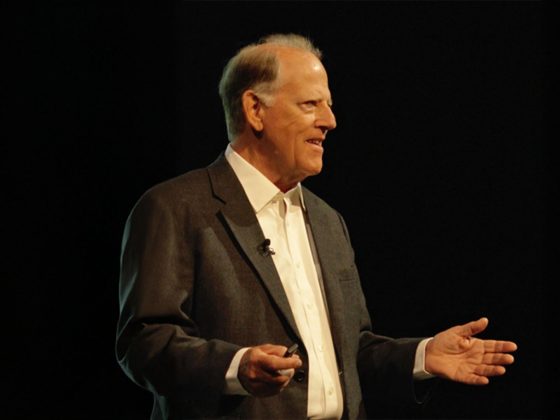
J Israel Greene leads strategy at Mosaic Works and has spent over a decade working alongside leaders and organizations who talk about culture and are ready to do something different. His view is that culture isn’t built on polished statements but on emotion, specifically on how people feel, react, and respond to one another every single day.
“Culture lives in emotion,” says Greene. “When we talk about changing culture, what we’re really talking about is emotional intelligence. Not as a soft skill, but as the difference between surface-level progress and sustainable transformation.”
Developing Self-Awareness That Lets Leaders Respond Instead of React
Before leaders can lead change in others, they have to understand what’s driving them. That means noticing hot buttons, checking assumptions, and recognizing blind spots before they start running the room.
“In our leadership programs, we teach leaders how to slow down, listen more intentionally, and respond instead of react,” Greene explains. “Because the moment a leader gets dysregulated, the entire room feels it.”
Most leadership development focuses on strategic thinking, communication skills, and decision-making frameworks. These matter, but they don’t address what happens when leaders face tension, pressure, or conflict, the moments that actually define culture.
Leaders operating without self-awareness react to pressure by defaulting to patterns developed over the years.
Some become controlling when stressed. Others withdraw or avoid difficult conversations. Some blame teams when results disappoint.
These reactions happen automatically unless leaders develop awareness of what triggers them and how those triggers shape behavior.
“We teach leaders how to slow down, listen more intentionally, and respond instead of react,” Greene notes.
The difference between response and reaction determines whether culture becomes resilient or fragile.
Building Empathy Into Systems, Not Just Sentiment
Empathy isn’t soft, it’s strategic. When leaders practice empathy, they don’t just hear people; they honor them. And when people feel honored, they engage differently.
“At Mosaic Works, we help teams embed empathy into how they hire, how they make decisions, and how they work through tension together,” Greene explains. “That’s how you move from compliance to real commitment.”
Most organizations treat empathy as an interpersonal skill, something leaders demonstrate in one-on-one conversations or team meetings. This approach makes empathy dependent on individual leader behavior rather than organizational practice.
Embedding empathy into systems means designing processes that honor people’s experience. Hiring processes that respect candidates’ time and provide clear communication regardless of outcome. Decision-making processes that seek input from people affected before finalizing choices. Conflict resolution processes that create space for different perspectives rather than forcing consensus.
When empathy lives in systems, it persists regardless of which leader runs the meeting or whether that leader is having a good day. Teams experience consistency in how they’re treated that builds trust over time.
“Empathy isn’t soft, it is strategic,” Greene emphasizes. “When people feel honored, they engage differently.”
Normalizing Discomfort Instead of Avoiding Conflict
Culture change isn’t clean, linear, or comfortable. Emotionally intelligent leaders don’t avoid discomfort; they know how to stay present inside it.
“They’re the ones asking, what’s really going on here? Instead of jumping to blame or shutting things down simply because someone thinks differently or disagrees with you,” Greene explains. “That’s how resistance turns into resilience, and that’s where real trust gets built.”
Most leaders avoid conflict because it creates discomfort, slows decision-making, or risks damaging relationships. This avoidance creates a culture in which surface harmony masks underlying tension, and real issues never get addressed until they become crises.
“Culture change isn’t clean, it’s not linear, and it’s definitely not comfortable,” Greene notes. “Emotionally intelligent leaders don’t avoid that discomfort. They know how to stay present inside of it.”
Resistance turns into resilience when leaders help teams work through discomfort rather than avoiding it. Trust builds when people see leaders handle conflict with wisdom rather than ego, staying open to being wrong, acknowledging when they’ve made mistakes, and treating disagreement as an opportunity rather than a threat.
Leading With Both Heart and Skill
“At the heart of everything in the thriving workplace is a leader who knows how to work with emotion and not around it, with wisdom, not ego,” Greene concludes. “If you’re serious about transforming your culture, start by upgrading your emotional intelligence. Because when leaders lead with both heart and skill, real change doesn’t just start, it sticks.”
When leaders work with emotion using wisdom rather than ego, culture transforms from what gets posted on walls to how people actually feel, react, and respond to one another every single day.
Connect with J Israel Greene on LinkedIn for insights on transforming culture through emotional intelligence.