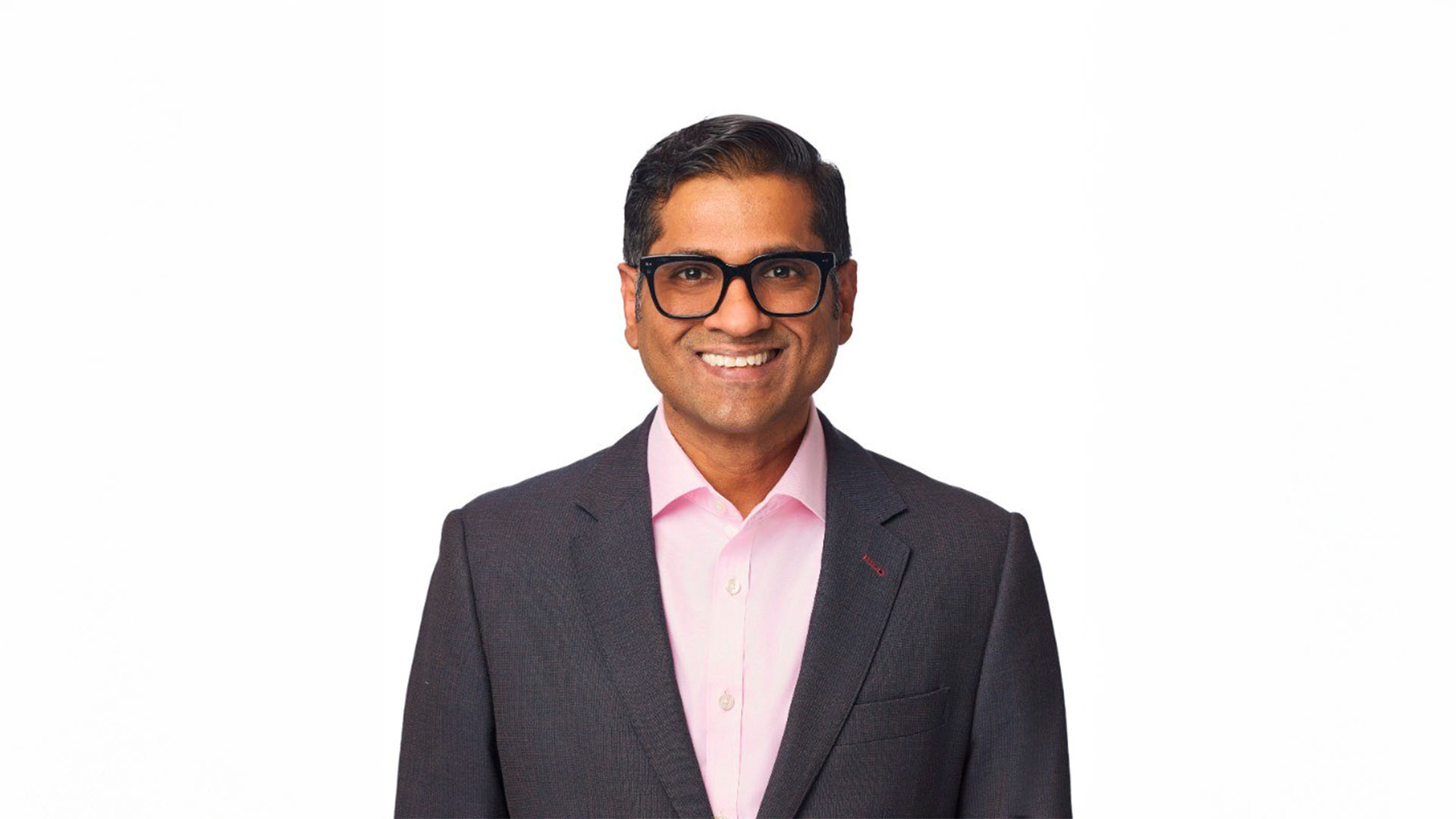
Technology moves fast, but the people building it do not always stop to ask the hard questions. Should we build this? What happens if we get it wrong? These are no longer abstract debates when the work involves AI systems that can reshape lives or blockchain networks that handle billions of dollars. Shyam Nagarajan has spent years bringing the right people together to tackle these questions. As Chief Operating Officer at Hedera and a board member at Prove AI, he has learned that building responsible technology is not a solo effort. It requires collaboration, foresight, and the discipline to weigh impact as carefully as innovation.
Start with Shared Values
The best collaborations do not start with technology. They start with people who agree on why they are building something in the first place. Shyam Nagarajan has seen this across industries and companies, from his time at IBM to his current role at Hedera. The partnerships that truly move the needle share something deeper than business goals. “Whether it is ethical AI or sustainable DLT, I have found that the most impactful leaders don’t just ask, what can we build? They ask, should we build it?” he explains. That shift in thinking separates those chasing the next big trend from those committed to building something that actually matters. It sounds simple, but it is surprisingly rare. Getting to that level of alignment takes work upfront. “When I worked with teams across IBM and now at Hedera, a shared commitment to transparency, equity, and long-term thinking was the foundation,” Nagarajan notes. Those values cannot live only in a mission statement. They have to show up in the daily decisions and difficult conversations that ultimately shape how technology gets built.
Bridge Ideas Through Ecosystems
Some of the biggest breakthroughs happen when people from completely different backgrounds start talking to each other. Shyam Nagarajan’s experience shows that the most interesting solutions often come from collisions between disciplines that rarely interact. “Technology doesn’t live in a vacuum. Responsible innovation happens when ecosystems thrive with open platforms, diverse voices, and multidisciplinary input,” he says.
At Prove AI, this philosophy is tested every day. “We are shaping governance by bringing together AI scientists, regulators, and developers,” Nagarajan explains. Getting those three groups to speak the same language is not easy, but it is essential if you want solutions that actually work in the real world. The real challenge is creating the conditions for these conversations to happen. Whether it is an early-stage startup or a corporate boardroom, leaders must be intentional about bringing different perspectives together. It does not happen by accident, and it certainly does not happen when everyone in the room thinks the same way.
Make Impact Measurable
Talk is cheap, especially when it comes to responsible technology. Nagarajan has learned that the thought leaders worth collaborating with care more about results than good intentions. “Collaboration is great, but ultimately, outcomes are what matter. Thought leaders respect those who can translate dialogue into measurable change,” he says. His work at Digital Economist puts this principle into practice. Instead of endless discussions about what responsible technology should look like, they focus on building things that can be measured and improved. Decentralized solutions that support financial inclusion or AI tools that audit themselves provide concrete ways to track whether progress is real or just noise.
This focus on measurement serves multiple purposes. It keeps projects honest about whether they are achieving their goals. It gives potential collaborators something tangible to evaluate. Most importantly, it forces teams to think clearly about what success looks like before they start building. Nagarajan’s approach comes down to three things that sound simple but require discipline to execute well. “Align on values, build bridges, and deliver real impact. That’s how we move responsible tech forward,” he says. Each piece builds on the others, creating a framework for collaboration that goes beyond networking and conference panels.
The technology industry has no shortage of people talking about building responsibly. What it needs are more people actually doing it, with partners who share their commitment to getting it right. Nagarajan’s work shows that the right collaborations can move faster and build better solutions than any individual company working alone. The future belongs to builders who understand that the most powerful technology serves something bigger than just the people who created it.
Connect with Shyam Nagarajan on LinkedIn to explore how responsible technology can drive meaningful impact.