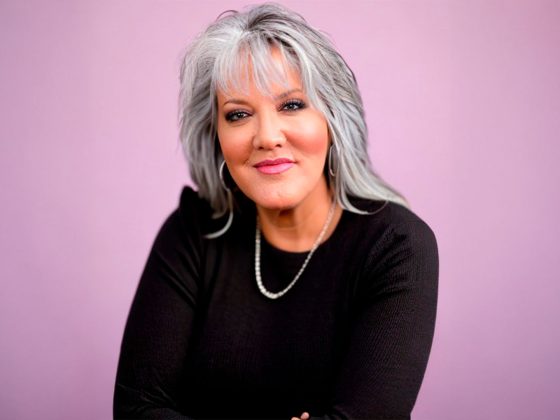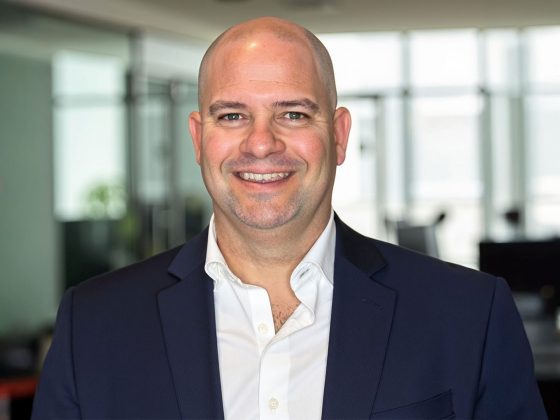
Some business leaders chase quarterly earnings. Others build legacies that outlast their careers. The difference isn’t just about timeframes – it’s about fundamentally different visions of what leadership means. Sasha Lund has spent years watching leaders struggle with this tension between short-term results and lasting impact. She’s found that the ones who build something truly lasting share a set of practices that anyone can learn, though few take the time to master.
Planting Seeds for the Future
Sasha cuts right to the heart of what makes legacy leadership different. “When we talk about legacy, we’re referring to the enduring impact that you leave behind – both in your organization and in your community,” she says. It’s not complex, but it changes everything about how decisions get made.
Most leaders say they care about the future. Few make decisions like they do. “It’s about planting seeds today that will grow and influence generations to come,” Sasha explains. Those seeds don’t show quick returns, which makes them easy to overlook when quarterly projections come due. The contrast with common business thinking couldn’t be starker. “Unlike short-term strategies, which may prioritize immediate results at the expense of long-lasting benefits, leading for legacy means making decisions with the future in mind,” says Sasha. She’s seen too many companies sacrifice tomorrow’s foundation for today’s profit bump.
Building What Actually Lasts
You can spot legacy-minded leaders by what they spend time on. “Leaders who think this way invest in sustainable growth, create cultures of trust, and empower others to think beyond their immediate tasks,” Sasha points out. They’re building something that won’t collapse when they step away.
The foundation isn’t complicated, but it’s non-negotiable. “Your core beliefs aren’t just buzzwords; they are the guiding principles that shape every decision and action,” she says. Most companies have values on their website. Few use them to make hard calls when money’s on the line. Sasha borrows a simple image to make her point clearer. “Think of it as constructing a moral compass that ensures every step you take is aligned with a greater vision.” Without that compass, companies drift wherever the market currents take them.
Turning Vision into Action
Talk is cheap. Legacy happens in daily choices. “Creating a lasting impact means consistently aligning daily actions with that long-term vision,” Sasha notes. The gap between what companies say and what they do kills more legacies than any market shift. Legacy thinking changes what “good business” means. “It means making decisions today that benefit not only the bottom line but also the people and the communities we serve,” she explains. These choices might look idealistic, but they prevent the corners-cutting that eventually catches up with shortsighted companies. Small choices pile up over time. “Whether it’s through sustainable practices, innovative thinking, or ethical leadership, each action is a brick in the foundation of a lasting legacy,” says Sasha. No single brick seems crucial, but together they create something that stands.
Nobody builds anything worthwhile alone. “Leaders must cultivate an environment where every individual feels empowered to add their unique strengths to the collective vision,” Sasha insists. When leadership is just about the person at the top, impact dies when they leave. Sasha doesn’t pretend legacy thinking is easy. But she believes it’s worth the effort. “Let’s lead for legacy—today, tomorrow, and for generations to come.” Some might call it idealistic. Others recognize it as the only leadership that truly matters.
Connect with Sasha Lund on LinkedIn or her website to explore more insights on leadership and lasting impact.