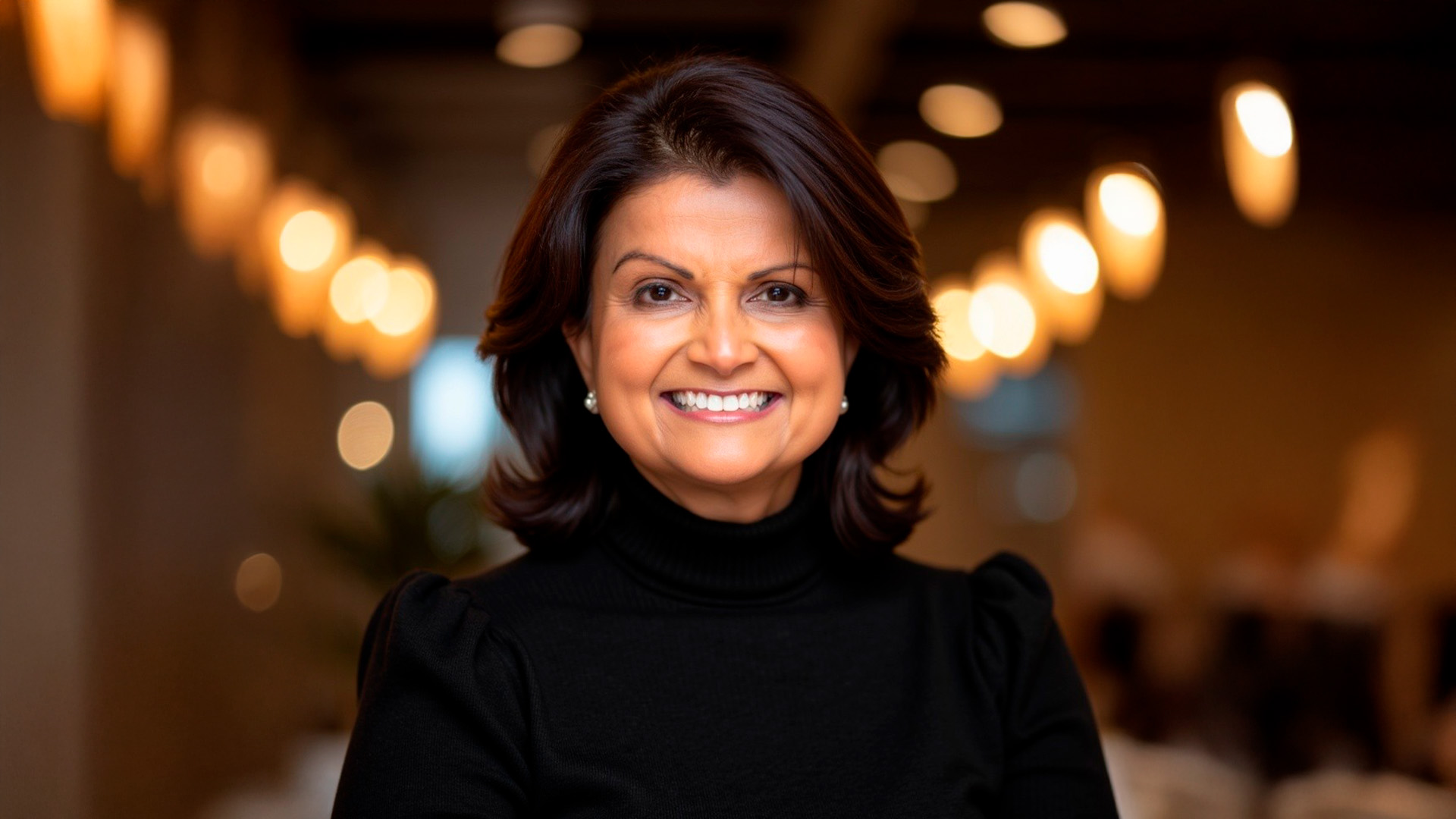
Getting diversity right means more than just recruiting differently. It requires fundamentally rethinking who has power and voice in organizations. Through years of working with global companies, diversity strategist Padmi Dissanayake has identified three practical approaches that transform surface-level initiatives into genuine cultural change. Her strategies help leaders move beyond good intentions to create workplaces where diversity drives measurable business results.
Driving Inclusion Beyond Words
Padmi’s work cuts through the typical corporate jargon to deliver strategies that stick. She doesn’t just talk about diversity; she shows companies how to turn it into better products, happier employees, and stronger results. “I’ve worked with global organizations to help them build inclusive cultures that drive innovation, employee engagement, and long-term success,” Padmi explains. No buzzwords, just practical approaches that work across industries and borders.
According to Padmi, here are three key strategies leaders can use to embrace diversity and inclusion for organizational success:
Recognizing Proximity to Privilege
Padmi gets right to the point when discussing the biggest blind spot she sees: who has the boss’s ear matters more than most policies. “One of the most overlooked factors in diversity and inclusion is understanding proximity to privilege—the idea that those closest to decision-making power often shape the direction of an organization,” she says. It’s a simple truth that explains why so many diversity efforts fail.
She pushes leaders to get honest about their listening habits. “Are we truly hearing a diverse range of perspectives, or are we only listening to the voices with the most access?” It’s a question that makes many executives uncomfortable. The fix isn’t complicated, but it takes real commitment. “By intentionally creating spaces where all employees, regardless of background, have a seat at the table, organizations can ensure their decisions reflect the collective needs of their workforce, rather than just a select few.” Simple in theory. Tough in practice.
Fostering a Culture of Belonging
Most companies have figured out how to hire diverse candidates. Then they wonder why those same people don’t stick around. According to Padmi: “Diversity is about representation, but inclusion is about participation,” she points out. One without the other is a recipe for revolving-door recruitment and frustrated employees.
Building workplaces where people want to stay means looking beyond demographics. “Leaders must go beyond hiring diverse talent—they must create an environment where people feel valued, respected, and empowered to contribute,” Padmi explains. This isn’t soft stuff—it’s the difference between employees who check out and those who bring their best ideas forward. The payoff comes when people feel they truly belong. “When employees feel a true sense of belonging, engagement and productivity soar, leading to a stronger, more innovative organization.” Bottom line: belonging drives business results.
Leading with Intentionality and Accountability
Padmi sees too many leaders who talk about inclusion while their actions tell a different story. Real progress, she insists, requires leaders who model what matters. “Diversity and inclusion efforts are only successful when leaders lead by example,” she states. No amount of training or policy can overcome leaders who don’t practice what they preach. This means tracking what matters and holding people accountable. “This means recognizing cultural competence as a strategic advantage, tracking measurable progress, and ensuring that inclusion isn’t just a checkbox but an ongoing commitment,” she explains.
The business case is clear. “By embedding inclusive practices into leadership development, decision-making, and company culture, organizations can attract top talent, unlock untapped market opportunities, and drive meaningful, long-term impact.” It’s not complicated, but it’s not easy either. Organizations that get it right discover that inclusion isn’t just nice to have—it’s a competitive edge that drives innovation and results. No buzzwords required.
Connect with Padmi Dissanayake on LinkedIn or visit her website for more straight-talk strategies on building workplaces where everyone can thrive.