Veterans don’t just bring discipline. They bring trajectory and leadership.
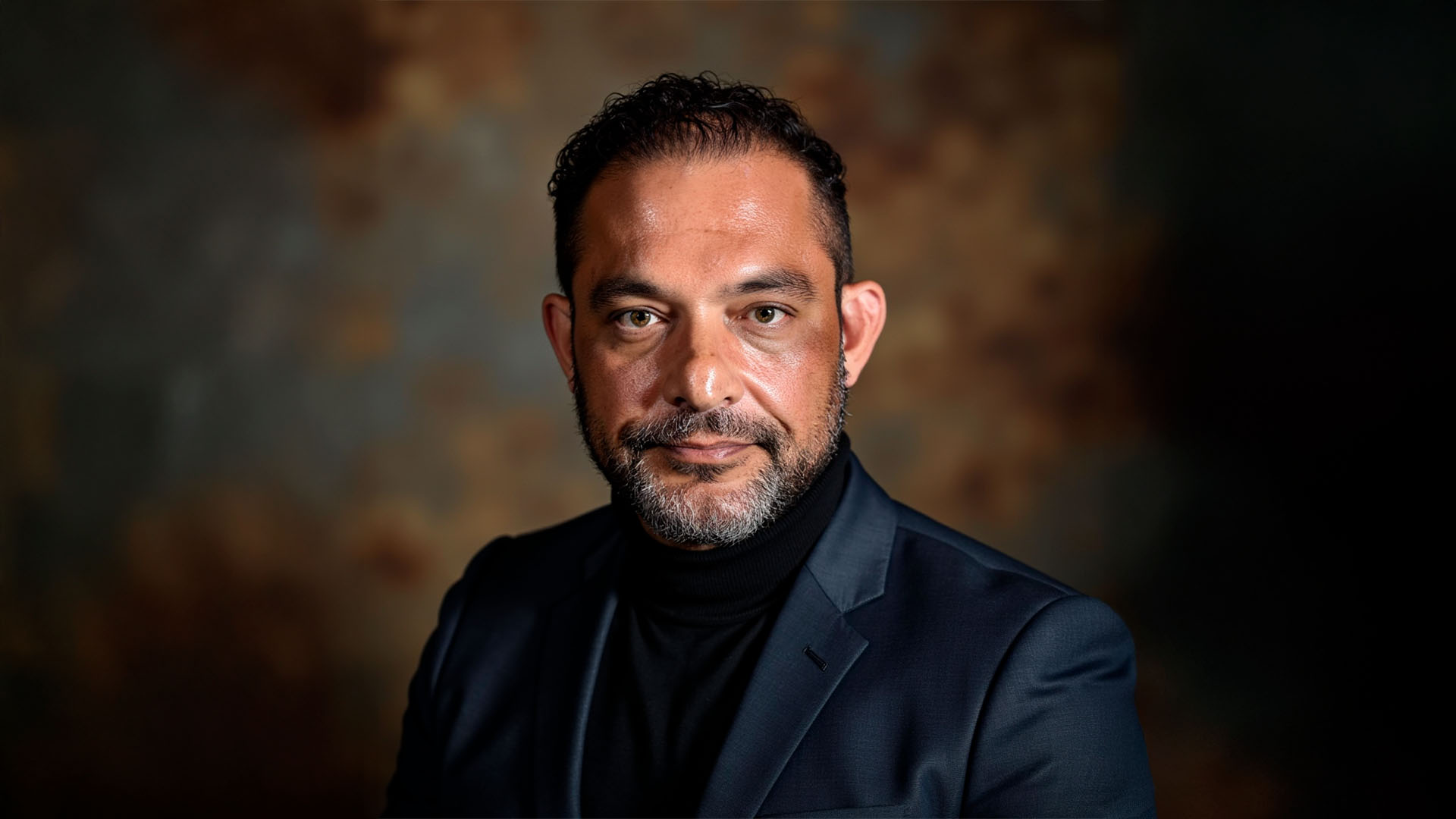
Michael Valdez Sanders leads Interactive Government Holdings (IGH), a Department of Labor Hire Vets Platinum Award winner for six consecutive years. IGH built its business on veteran leadership because veterans are trained to assess, adapt, and act decisively, the key to real organizational agility.
“In the military, you’re trained to make decisions under pressure with limited information and zero room for failure,” says Sanders. “In business, that translates to faster pivots, better problem solving, and teams that don’t wait for direction.”
Leading With Clarity in Chaos
Veterans make decisions under pressure with limited information and zero room for failure. In business, that creates faster pivots, better problem-solving, and teams that don’t wait for direction.
“We’ve embedded that mindset into every program we support, especially when federal missions are high-stakes, high-dollar, and time-sensitive,” Sanders explains.
Most organizations struggle when conditions become uncertain. Teams wait for clarity before acting, creating lag between when problems emerge and when organizations respond.
Veteran leaders operate differently. They make decisions under pressure with incomplete information because waiting isn’t an option. This creates faster pivots when markets shift, better problem-solving when challenges emerge, and teams that act rather than wait.
Focusing on Outcomes Over Hierarchy
Veterans are team-first by design. At IGH, leaders focus on outcomes, not titles.
“That creates a culture where execution beats hierarchy, and progress matters more than protocol,” Sanders explains. “We operate in all 50 states and three US territories. While scaling from 5 to 120 employees, it wasn’t about who was in charge. It was about getting it done together.”
Most organizations optimize for a clear hierarchy and defined protocols. Decisions flow through approval chains. This creates predictability at the cost of speed.
When hierarchy dominates, execution slows. Teams wait for approval rather than solving problems directly. Progress stalls because following the process matters more than achieving outcomes.
Team-first culture works differently. Leaders focus on outcomes rather than protecting authority. Execution beats hierarchy because getting it done matters more than who’s in charge.
Training for the Pivot
Agility isn’t a lucky reaction. It’s trained behavior.
“Veteran leaders are experts at contingency planning,” Sanders explains. “That’s how we’ve been able to shift operations overnight, respond to agency needs, and stay ahead of uncertainty. We built the same readiness into every team. No matter what hits, we’re already moving forward.”
Most organizations treat agility as the ability to react quickly when unexpected events occur. This treats agility as improvisation rather than preparation.
Veteran leaders train for the pivot. Contingency planning means anticipating possibilities and preparing responses before they’re needed. This enables shifting operations overnight because plans already exist, and staying ahead of uncertainty because readiness was built before events occurred.
Building the same readiness into every team means no matter what hits, they’re already moving forward.
Building Velocity Through Veteran Leadership
“Veteran leadership doesn’t just bring values,” Sanders concludes. “It brings velocity, momentum, and trajectory to your company. If you want true organizational agility, bring in leaders who’ve thrived in complexity and know how to turn pressure into progress.”
When veteran leadership brings velocity, momentum, and trajectory, organizations turn pressure into progress.
Connect with Michael Valdez Sanders on LinkedIn for insights on turning veteran leadership into organizational agility.