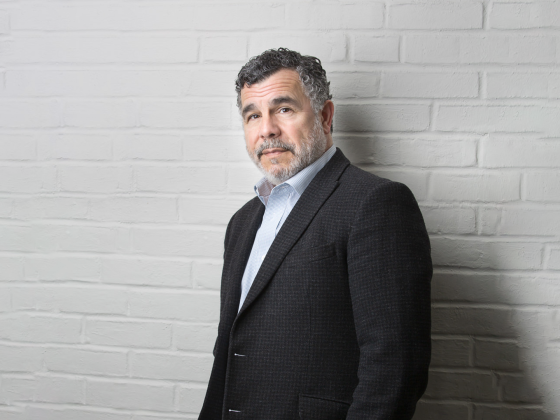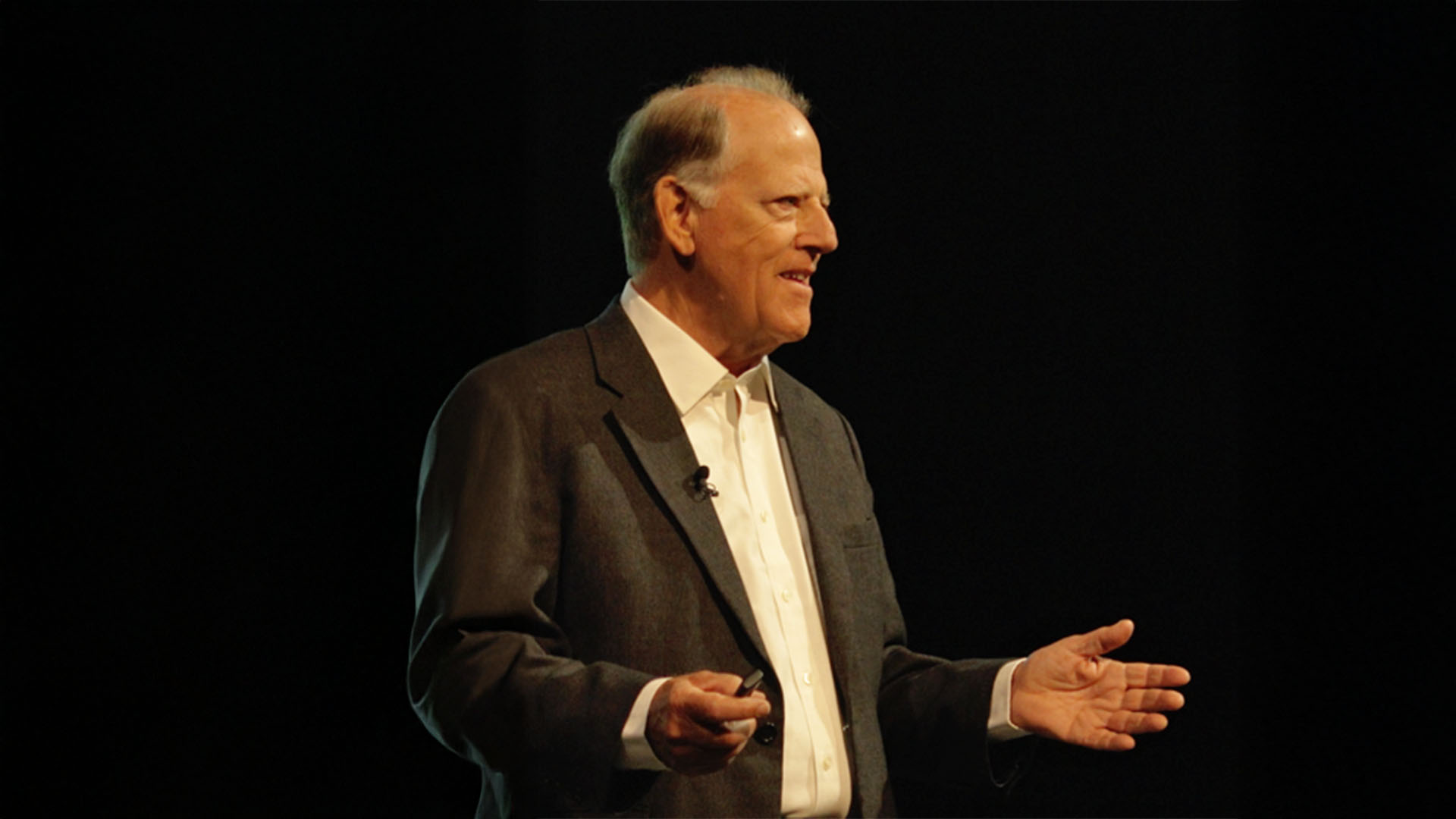
Rick Williams has spent decades operating at the point where leadership decisions carry real consequences. He has founded and run a company, advised senior executives as a management consultant, served on boards of technology and life sciences businesses, and worked closely with public and private sector leaders navigating complex trade-offs. Across those roles, Williams has seen how easily experience and authority can harden into certainty, and how often that certainty becomes a liability.
“The best leaders aren’t always the smartest people in the room. They’re the ones willing to learn from other people around them,” says Williams. “Leadership doesn’t mean having all the answers. It means creating a culture that gives permission for better ideas to emerge.”
For Williams, the leaders who succeed over time are not those who cling to having the right answer, but those who stay open to learning from the people around them, long after they have earned the authority to decide.
When certainty becomes a liability
Leaders who equate authority with having the right answer often shut down dissent without realizing it. Over time, signals from the market, customers, or frontline teams are filtered out. By the time reality intrudes, options have narrowed.
Williams recalls working with a chief executive who was convinced his strategy was unassailable. “By the time he realised he was off course, his competitors had passed him,” Williams says.
That moment captures the leadership lesson Williams returns to again and again: you might be wrong. Confidence still matters, but when it hardens into certainty it begins to close doors.
“Certainty can be a roadblock,” Williams says, particularly when leaders mistake conviction for clarity. That shift from being right to getting it right marks a turning point in leadership maturity.
Asking before deciding
Williams distills strong decision-making into a simple sequence: ask, listen, learn, then decide. The order matters. Too often, leaders decide first and ask questions later, seeking validation rather than understanding. “Great decision-making starts with humility,” he says.
Whether facilitating board discussions or working through complex choices with executive teams, Williams pushes leaders to ask questions they do not already know the answers to. Listening to engineers, marketers, customers, or partners means suspending the instinct to evaluate every comment in real time. It also means accepting that insight often emerges from unexpected places.
When leaders genuinely listen, they expand the data set on which decisions are based. They uncover risks earlier, see opportunities sooner, and avoid blind spots that no individual, however experienced, can eliminate alone.
Making disagreement safe
Openness, however, is not only an individual trait. Williams emphasizes that leaders shape the cultures in which decisions are made. “If your team is afraid to disagree with you, you are certain to fail,” he says.
The strongest leadership cultures Williams has observed are built on respectful challenge. Disagreement is not tolerated reluctantly; it is actively encouraged. Leaders reward thoughtful pushback and signal that questioning assumptions is part of the job. Over time, this creates an environment where issues surface earlier and debates focus on substance rather than hierarchy.
Crucially, psychological safety does not mean consensus. Leaders must still decide, sometimes against the weight of opinion. The difference is that those decisions are informed by a fuller understanding of reality.
Curiosity as a leadership discipline
At the heart of Williams’ message is a reframing of authority. Successful leaders begin with curiosity. They recognise that their role is not to have all the answers but to ask the right questions and integrate diverse perspectives into coherent action.
“You can be wrong,” Williams says, and that acknowledgement is a source of strength. Leaders who accept it learn continuously, adapt faster, and make decisions with clearer eyes. In complex environments, where conditions shift and information is incomplete, that mindset can determine whether organisations merely react or actively shape their future.