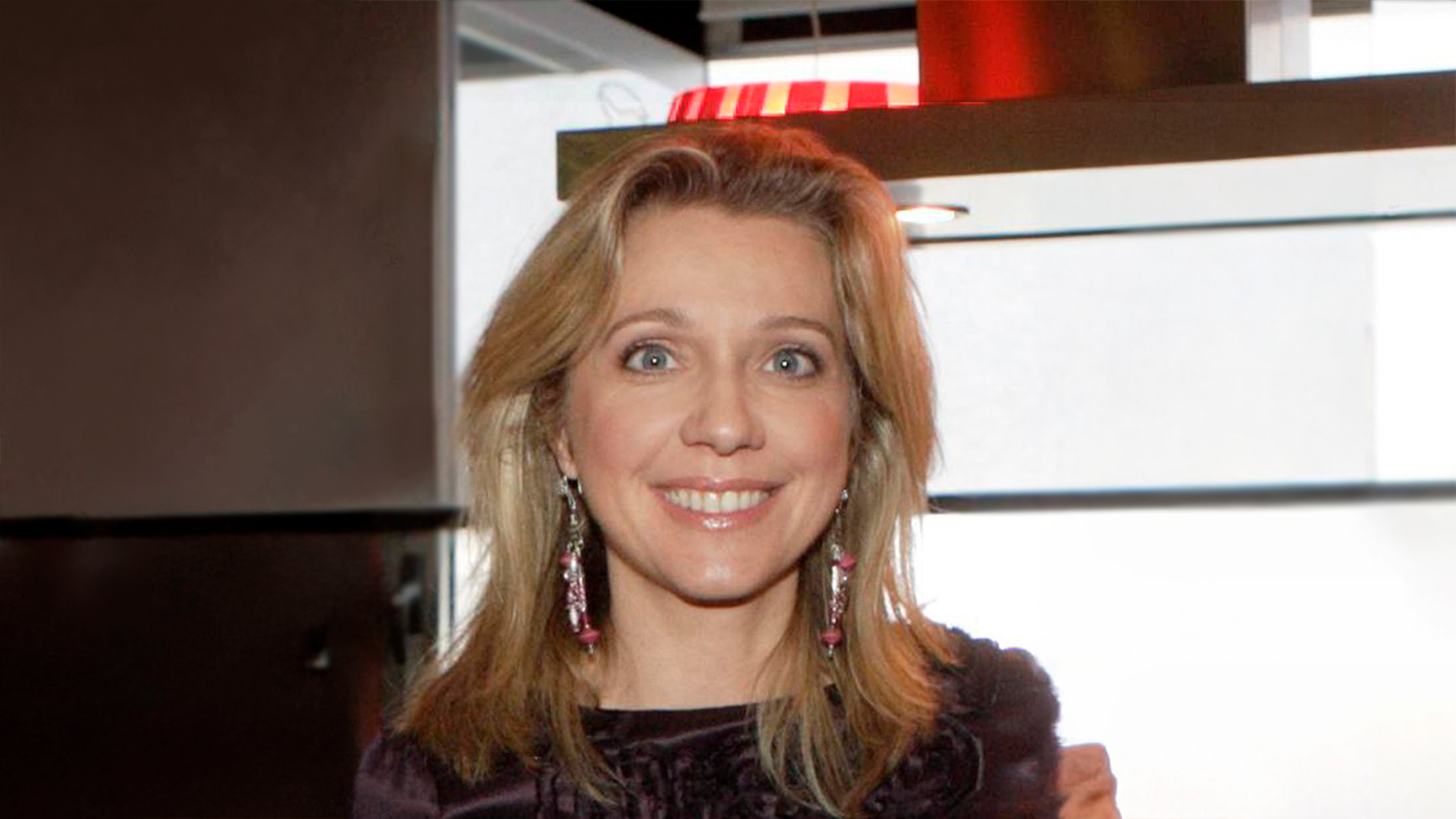
Fundraising teams spend most of their energy on the wrong variable. They refine the case statement, expand the prospect list, rehearse the ask, and treat the gift as a function of persuasion. Bettina Alonso, Senior Vice President and Chief Development Officer at Maimonides Health, Brooklyn’s largest healthcare system, argues the decisive variable sits upstream of all of it. Donors are more cautious than they have been in years, she says, and scandals and misuse of funds across the sector have shaken confidence in nonprofits broadly. The organizations still growing revenue are not the ones with the sharpest pitch. They are the ones whose books, governance, and outcomes can withstand inspection before anyone asks for money. That reframing matters because it moves transparency out of the compliance department and into the revenue function, where it has consequences for staffing, reporting cadence, and what a development office is built to do.
Governance Transparency Turns A Board Into A Fundraising Engine
Most organizations treat their board as a network to be mined. Bettina treats it as an asset that only performs under specific conditions. “Your board is one of your most powerful fundraising assets, but only when members feel invested,” she says. The qualifier carries the weight. A director who cannot explain where the money went will not introduce a nonprofit to a peer, because the reputational exposure runs in both directions. Board members put their own standing behind every introduction they make, and they price that risk whether or not anyone says so out loud. Weak financial oversight does not just create audit problems. It quietly removes the organization’s most credible advocates from the field.
The reverse also holds, and Bettina has watched it happen. “When governance is clear, when financial oversight is strong, and when every dollar is accounted for, board members become your biggest advocates,” she says. “They open doors, they make introductions, and most importantly, they give.” She has seen boards transform entirely when leadership commits to honest reporting and clear accountability. For a chief executive, the practical read is that board giving and board activation are lagging indicators of internal discipline. Underperforming boards are often diagnosed as a recruitment problem, solved by adding names with deeper pockets. Bettina’s account suggests the fault frequently sits with management instead, and that the cheapest fundraising investment available to most organizations is a cleaner set of books presented more often.
Donor Transparency Is What Closes The Larger Gift
At the six-figure level, the dynamic changes. Major donors do their homework, Bettina says, and before a high-net-worth individual writes a check for $100,000 or more, they want to know exactly how that money will be used and what impact it will have. These are people who evaluate capital allocation professionally. They apply the same instincts to philanthropy, and the absence of a clear answer reads to them as a risk signal, not an administrative gap. A development officer who can describe the mission beautifully but cannot specify the investment strategy behind an endowed gift has not made a case. They have made an appeal.
Bettina’s prescription is concrete and mostly unglamorous: “When you show a donor a clear gift acceptance policy, a defined investment strategy, and measurable outcomes, you remove doubt. You replace hesitation with confidence,” she says. The sequencing matters more than the documents. “I have sat at the table with very successful people, and I can tell you that the ask only works when trust is already in the room.” Trust, in her framing, is not generated during the solicitation. It is either present when the meeting starts or the meeting is a courtesy. That puts real pressure on the months of disclosure, reporting, and stewardship that precede a conversation most organizations treat as the main event, and it explains why so many well-crafted asks fail for reasons the fundraiser never sees.
Public Transparency Is The Sector’s Repair Work And A Growth Channel
The third argument is the broadest and the one with the longest payback period. Philanthropy as a whole needs to restore public confidence, Bettina says, and that burden does not distribute itself fairly. An organization with impeccable finances still absorbs the skepticism created by the sector’s failures elsewhere. The only available response is unilateral. Nonprofits that communicate openly about how funds are spent, who they serve, and what results they are achieving are the ones attracting new donors and retaining existing ones. Retention deserves particular attention there, because acquisition costs dominate most development budgets and a lapsed donor is usually a donor who stopped believing the reporting.
What Bettina is really describing is a shift in category. “Transparency is not just good ethics; it is a fundraising strategy,” she says. “When your community believes in you, they give to you.” Read across all three levels, the logic compounds: governance transparency strengthens the board, donor transparency closes larger gifts, and public transparency grows the donor base over time. Each one feeds the next. A credible public record makes the major donor conversation easier, and an activated board makes the public record more defensible. Bettina’s closing point is a direct challenge to how most organizations budget. “Transparency is not a compliance exercise. It is one of the most powerful tools you have to grow revenue and build lasting relationships.” Treated as compliance, it is a cost center managed to the minimum. Treated as strategy, it is the highest-leverage line in the development plan, and the one most leaders are still funding last.
Follow Bettina Alonso on LinkedIn for more insights on nonprofit fundraising, donor trust, and transparent governance.