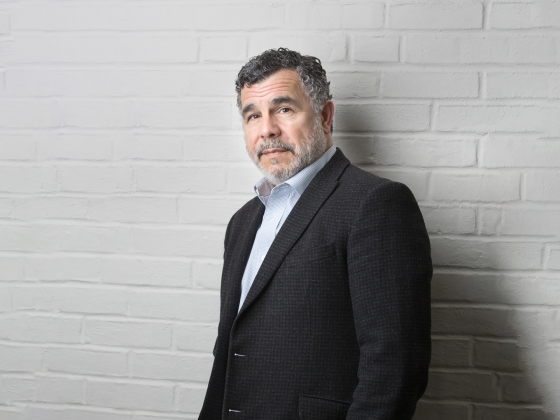
Talk of the death of the New York office has dominated business news for years, but the real transaction data tells a very different story. While many assumed companies would simply abandon physical workspaces, top businesses are spending heavily to secure the best locations in town. Charles P. Laginestra, Senior Vice President at CBRE, watches these lease transactions closely every day. As he sees it, “The narrative around the New York City office market has been loud for a few years now, and most of it has been wrong.”
A Market Split in Two
Instead of a broad downturn across the entire city, Manhattan is seeing a sharp division between top-tier properties and everything else. Companies want spaces that make people want to come to work, which leaves older, basic office towers behind. Laginestra points out that this gap is growing wider by the week. “Right now, the market is experiencing an unrelenting flight to quality. There are winners and losers, and the gap between them is widening more and more every day,” he says. That preference shows up clearly in the leasing numbers for large corporate footprints. Modern assets with high ceilings, great views, and on-site perks are taking almost all the large deals in town. Laginestra explains that “Activity is concentrating in new construction, extensively renovated buildings, and other modernized buildings in desirable locations with abundant light and amenities.” In fact, these upgraded spaces currently claim 77 percent of the entire market share for deals of 50,000 square feet or larger.
Many analysts lean on lease volume or rent discounts to explain how the market is doing, but those figures can blur the true picture. A better way to see what is happening is to look directly at what space is left on the market. Laginestra tracks several indicators, but he finds one metric far more revealing than the rest. “Absorption, asking rents, and concession packages all tell a different part of the story, but if I were to choose one that best describes the market, I would say availability rates,” he says. Looking at availability by building class reveals two completely different realities running side by side in New York. While commodity properties sit with empty floors, well-managed and updated towers are almost full. As Laginestra points out, “Better buildings in Midtown Core are enjoying a 6.9% availability rate as compared with 18% for commodity buildings.” For executives looking for prime space, this means competition is fierce and options are limited.
Inaction Is the Real Risk
Trouble starts when owners and tenants make decisions based on old assumptions about commercial real estate. Some property owners believe they can simply wait out the cycle without putting capital back into their properties. Laginestra sees that mindset as a major mistake in today’s environment. “For landlords, it’s sitting back and waiting for the market to come to them, rather than investing in their real estate to increase leasing velocity and value. The market is only moving further away from commodity buildings, and those who wait will lose,” he warns.
Tenants make a similar mistake when they hold off on leasing decisions in hopes that asking prices will drop back to pre-inflation levels. Building costs, labor, and operations have all climbed significantly, making high rents on top properties the baseline going forward. Sitting on the sidelines often ends up costing companies more in the long run. “For tenants, it’s those who are waiting for rents to return to normal. But we’ve seen historic inflation in recent years, and this is the new normal. Those who wait for rents to go down in better buildings will only see greater appreciation in real estate costs,” says Laginestra.
High Demand and Shrinking Supply
Far from slowing down, total activity across the city reached historic levels this past year. At the same time, many older commercial properties are being converted into residential apartments, taking unneeded office supply off the board for good. Laginestra highlights the outcome of these combined trends on the market. “In 2025, Manhattan recorded 40.5 million square feet of leasing velocity. That’s the highest total on record. Add in a reduction in supply due to recent commercial-to-residential conversions, and you get a very healthy market where demand exceeds the supply of quality assets,” he notes. This supply crunch means business leaders must treat their physical space as an active part of their company culture, not an afterthought. A modern, well-lit workplace gives teams a reason to collaborate in person and helps draw in top performers. Waiting for perfect market timing or settling for substandard space can hold a company back. In a market where the best buildings move quickly, clarity and decisive action make all the difference.
Making real estate decisions today comes down to understanding where quality and demand intersect. The gap between generic office blocks and modern, amenity-rich buildings will only keep widening over time. Leaders who align their physical footprint with their cultural goals will create spaces where employees genuinely want to spend their time. In the end, listening to what the data shows is the surest way to plan for the future.
Follow Charles P. Laginestra on LinkedIn for more insights on commercial real estate, Manhattan office leasing, and corporate workspace strategy.