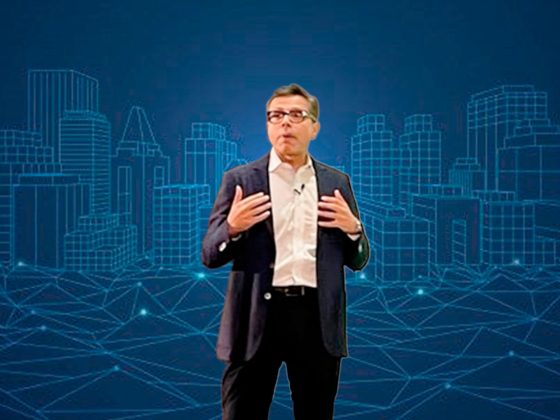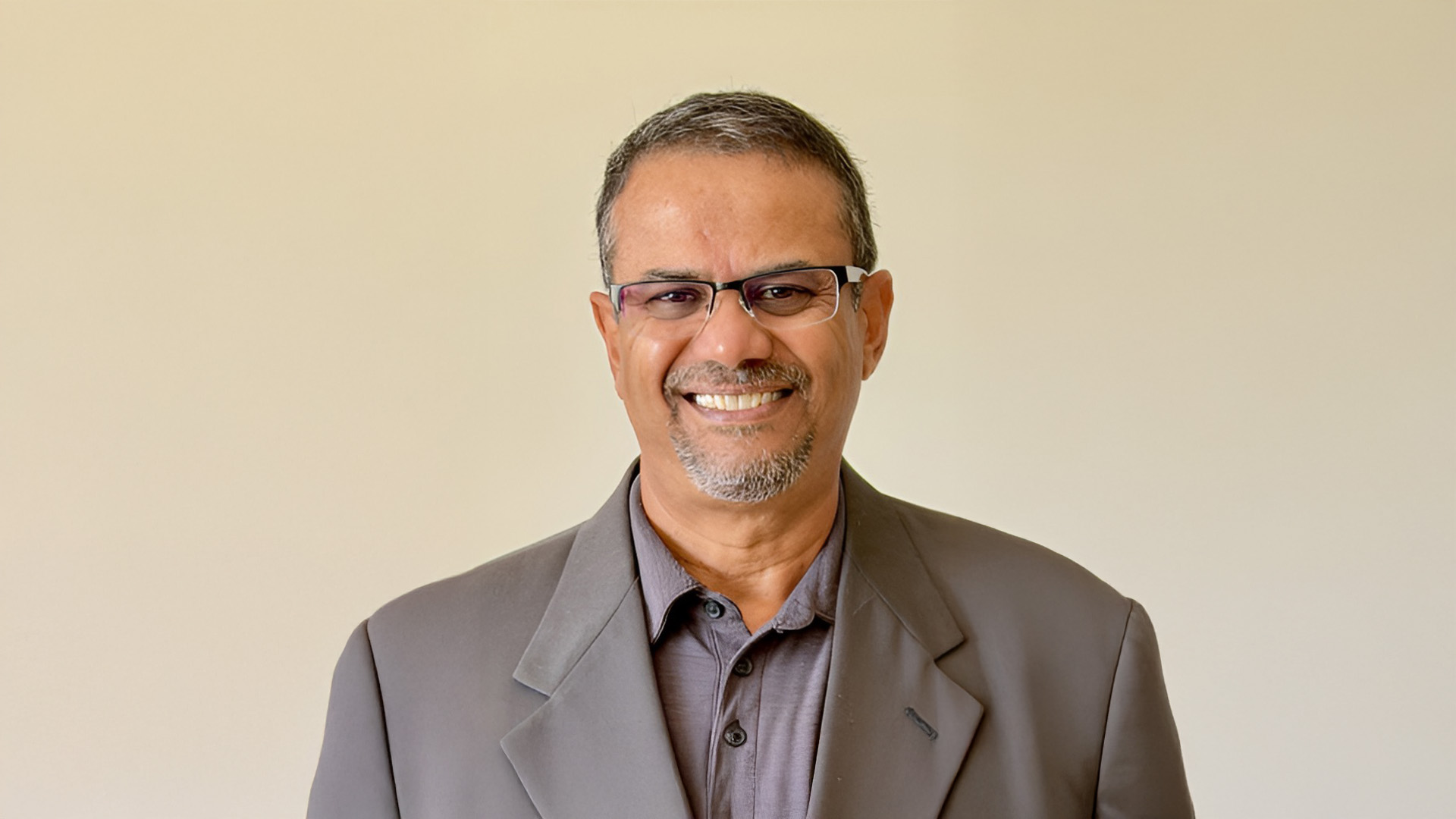
Hospital readmissions are bleeding the American healthcare system dry. One in five patients ends up right back in the hospital after going home, creating a cascade of problems that has resisted traditional fixes. Dr. Ismeth Abbas has been watching this for more than 30 years as a physician leader. Now, as national medical director for Optum, he is betting that AI can finally help break the cycle.
Reducing Persistent Readmission Rates
Here is the reality: “The average readmission across the United States is about one in five or one in six patients ending up back in the hospital,” Dr. Abbas explains at the ThinkAndor conference. That clogs everything up. Hospitals get overwhelmed, patients get sicker, and the entire system strains under the weight of people cycling through the same doors again and again.
Hospitals also take a financial hit when this happens. CMS imposes significant penalties on facilities that cannot keep readmission rates under control. Money, however, is only part of the story. The real damage falls on patients who believed they were going home to recover.
Think about what happens when someone is admitted, discharged, then lands back in the hospital because something fell through the cracks. “Every time you end up in the hospital, frailty gets worse,” Dr. Abbas points out. It is not just a temporary setback. Medical bills mount while paychecks stop. Time with family disappears. Each trip back makes the next one more likely.
Dr. Abbas has seen this pattern repeated too many times. “If somebody gets hospitalized to get home and because the baton gets dropped, they suffer the consequences of ending up in the hospital again.” His work in transitional care medicine is focused on making sure that baton is never dropped in the first place.
Leveraging AI to Predict Risks
There is a reason healthcare adopted AI faster than many other industries. “Healthcare is the biggest user of AI technology because there was a huge gap in how to fill some of the needs,” Dr. Abbas says. AI can do something the old system could not manage at scale. It can identify risk earlier and flag problems before patients land back in the emergency room.
Dr. Abbas is not interested in using AI just because it is trendy. His team at Optum is working to make transitional care sharper and more targeted. “If you are able to impact readmissions, that will make a huge difference for the hospital systems, for the payers, for the patient, and for the whole economy.” When readmissions drop, everyone benefits.
Thirty Years of Watching Healthcare Struggle
Dr. Abbas has been in this fight long enough to see patterns most people miss. “I have been a physician leader for 30 plus years,” he shares. Throughout his career, two themes have kept resurfacing. Patient safety and efficiency. Fix those and costs start to come down on their own. The spending problem is massive. “We spent close to 20% of the GDP on healthcare,” Dr. Abbas notes. That is an enormous share of the economy going into a system that does not always deliver outcomes that match the investment. His view is straightforward. “It is not wasteful, it is important, but if you are more efficient, we can cut down.”
The solution sounds simple. Build stronger transitional care programs, use AI to identify where problems are brewing, and keep patients healthier at home instead of bouncing them back into the hospital. Simple to describe, harder to execute.
When it works, hospitals avoid penalties, insurers save money, and patients actually get to stay home and recover. AI keeps finding new uses in healthcare. “From diagnosis to treatment protocols to identifying things prior to them happening,” Dr. Abbas explains. The applications keep expanding as teams learn what truly helps rather than what only sounds impressive.
Dr. Abbas continues to show up at conferences such as Think AI, trading insights with others who are trying to repair the most fragile parts of the healthcare system. His mission has not changed. Stop the revolving door, use whatever tools work, including AI, and give patients a real chance to stay healthy once they leave the hospital.
Connect with Dr. Ismeth Abbas on LinkedIn to explore his work in AI-driven transitional care.