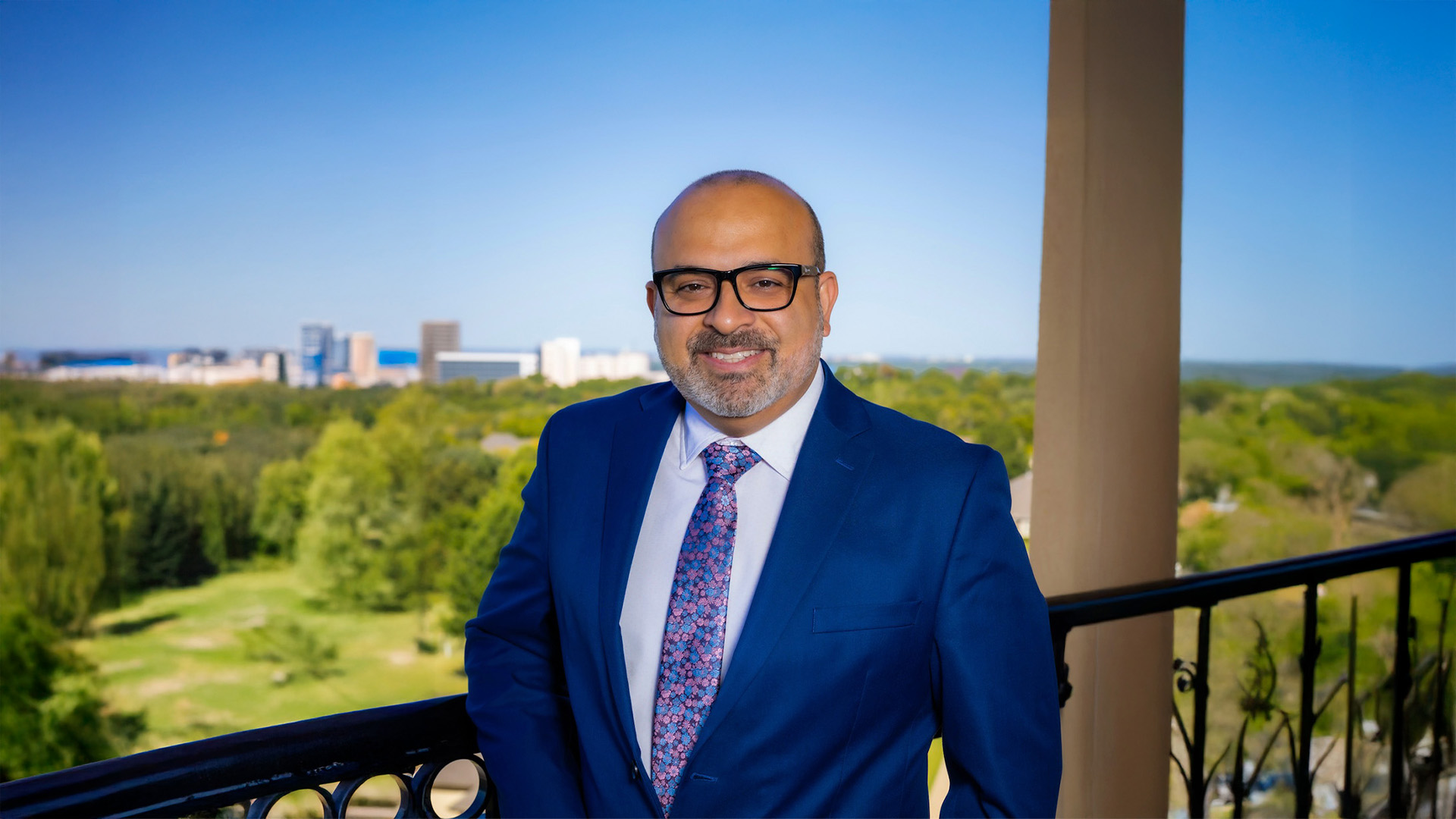
Leadership isn’t what it used to be. After 25 years in executive operations, Dr. Amin Sanaia sees things differently. As a certified Master Neuroplastician, he’s bringing brain science to the boardroom, showing how understanding human behavior changes everything about leading teams.
Transforming Leadership with Science
Some leaders still run their teams like it’s 1990. However, Dr. Amin prefers a different approach. “In today’s fast-paced business world, leaders must go beyond traditional skills and develop a deep understanding of human behavior, motivation, and the science of decision-making,” he explains. His focus on neuroleadership – applying brain science to leadership – opens up new ways to boost team performance and emotional intelligence.
Unlocking the Brain’s Potential
Nobody’s born a perfect leader. That’s where neuroplasticity comes in. “Neuroplasticity is the brain’s ability to rewire itself through learning and experience,” Dr. Amin points out. “It is foundational to neuroleadership.” This isn’t just feel-good science – it’s about real results. Leaders who get this concept can reshape their own thinking and help their teams grow. The old idea that leadership skills are set in stone? Dead wrong. “Leadership is not static,” says Dr. Amin. “Neuroplasticity allows leaders to evolve continuously, driving personal growth and team development.” This means every day brings new chances to improve.
Building Trust Through Brain Science
Money can’t buy team performance, but psychology might hold the key. Dr. Amin digs into the science of what makes teams click. “Psychological safety is a core component of high-performing teams,” he notes. “Neuroleadership emphasizes the science behind creating an environment where individuals feel safe to express ideas, ask questions, and take risks.”
Here’s where it gets interesting. “When leaders foster psychological safety, they reduce cortisol, the stress hormone, and also increase dopamine and oxytocin, which are linked to motivation, reward, and social bonding,” Dr. Amin explains. It’s not just about feeling good – these brain chemicals actually drive better teamwork. Talk is cheap. That’s why Dr. Amin keeps it practical. “I encourage leaders to actively listen, demonstrate empathy, and celebrate efforts and results,” he says. This creates the kind of workspace where new ideas can go somewhere. When people feel safe, creativity flows.
Enhancing Emotional Intelligence
Leading with your gut isn’t enough anymore. “Emotional intelligence, or EI, is essential for effective leadership,” Dr. Amin says. “But neuroleadership takes EI to the next level by linking it to brain science.” Understanding how the brain handles emotions helps leaders keep cool and connect with their teams.
Dr. Amin advocates mindful leadership practices. “I emphasize the importance of mindful practices and reflection as tools for leaders to manage their emotional states, stay calm under pressure, and empathize with their teams,” he explains. This isn’t about meditation retreats—it’s about making better decisions under pressure.
The Bottom Line
Smart leadership means understanding what makes people tick. “When leaders understand the brain, they can truly understand their people,” Dr. Amin points out. He’s seen how this knowledge helps leaders “unlock their team’s full potential and lead with greater purpose and effectiveness by leveraging neuroplasticity.” By bringing hard science to soft skills, Dr. Amin shows how understanding the brain changes everything about leading teams. In a world where old-school management doesn’t cut it anymore, this might be exactly what leaders need.
The future of leadership isn’t about corner offices or fancy titles. It’s about understanding what happens in the three pounds of gray matter inside each team member’s head. Dr. Amin’s approach proves that when leaders understand the brain, they can finally start understanding their people.
To learn more about Dr. Amin Sanaia’s approach, check out his LinkedIn profile.