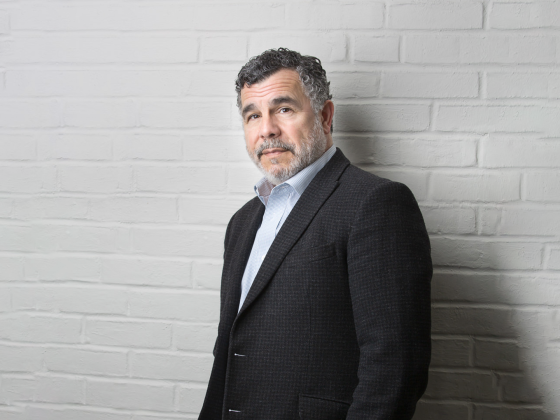
Boardroom leadership has changed. The old model of issuing orders and expecting results no longer works for most organizations. Kanthi Ford learned this firsthand over 25 years of advising senior leaders across industries from energy to technology. As a Global Strategy Advisor and Executive Coach, she has seen the difference between those who adapt and thrive and those who cling to outdated playbooks and fall behind.
Shift From Control To Curiosity
Many executives believe their job is to have all the answers. Ford sees it differently after years of observing boardroom dynamics. “The most effective leaders today are those who lead with questions, not just answers. Curiosity opens doors to innovation, inclusion, and better decision-making,” she explains. Simple in theory, this shift can be difficult in practice. Ford recalls working with one CEO who decided to change his approach. Instead of entering meetings with solutions already mapped out, he began asking his team what they thought. “He transformed team dynamics simply by replacing directives with open-ended questions,” she says.
The impact was immediate. Engagement rose, team ownership grew, and employees felt their voices truly mattered. As Ford points out, sometimes the smallest adjustments create the biggest changes.
Embrace a Global-Local Lens
In today’s economy, business decisions ripple across international markets. Ford has seen too many smart strategies falter because executives overlooked local realities. “Leaders must think globally but act with local intelligence. This means staying attuned to cultural context and listening to regional voices,” she says. The flaw in many global strategies is that they are designed in boardrooms thousands of miles away from where they will actually be executed. Ford has watched this pattern repeat across industries. “I’ve seen global strategies fail because they were too top-down. A mindset shift to global collaboration rather than global control changes everything,” she notes. The best leaders understand that local voices often hold the clearest insight into what will truly work on the ground.
Lead Through Empathy, Not Just Efficiency
Not long ago, talking about empathy in the boardroom could derail a career. Today, it is essential. Ford argues that understanding your team is no longer optional. “Empathy is now a business imperative. In high-stakes environments, leaders who take time to understand their teams, especially during times of uncertainty, build loyalty and resilience,” she says. She recalls working with one executive who made a small but powerful shift. Instead of jumping straight into the agenda, he began each meeting with a quick team check-in. “Over six months, their team performance measurably improved. Everyone felt included,” Ford notes. That five-minute investment paid dividends far beyond expectations.
Commit to Continuous Growth
The business world moves too quickly for leaders who believe they have it all figured out. Ford has noticed a clear pattern among executives who remain successful over time. “Leadership isn’t static. Elevating mindset means staying open to feedback, embracing coaching, and being willing to evolve,” she explains. Those who resist learning rarely last long at the top. After working with hundreds of senior leaders, she can quickly tell who will thrive and who will plateau. “The most respected leaders I’ve worked with aren’t the ones with all the answers. They’re the ones who never stop learning,” she observes. These leaders see every interaction as an opportunity to grow.
Ford distills the mindset shift into four essential moves: shifting from control to curiosity, acting with both global and local awareness, leading with empathy, and committing to lifelong growth. Each element reinforces the others, creating a very different model of leadership. The old image of the commanding boardroom figure is fading, and for good reason. A new model is emerging, one rooted in adaptability, humility, and shared intelligence. “Boardroom leadership is no longer about having the loudest voice,” Ford concludes. “It’s about creating space for the smartest conversations.” That shift, she believes, is what will set apart the organizations that endure and win in the years ahead.
Connect with Kanthi Ford on LinkedIn to explore her latest leadership insights.