The brain does not lie. Every electrical pattern captured in an electroencephalogram (EEG) is a record of everything that has shaped a person’s neurology from the earliest stages of development to the present moment. Trauma leaves a trace. Developmental lag shows up in the frequencies. Neurological injury writes itself into the brainwave signature in ways that no symptom checklist can replicate. Most clinicians have never been taught to read that record.
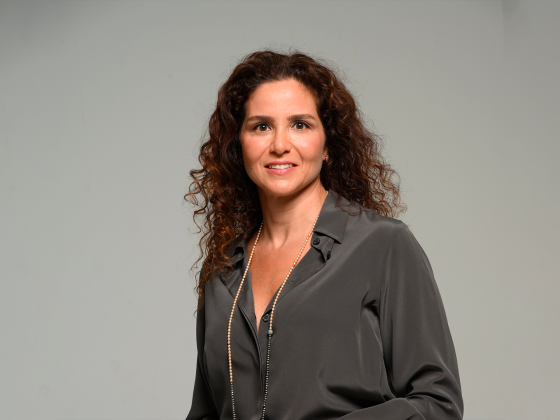
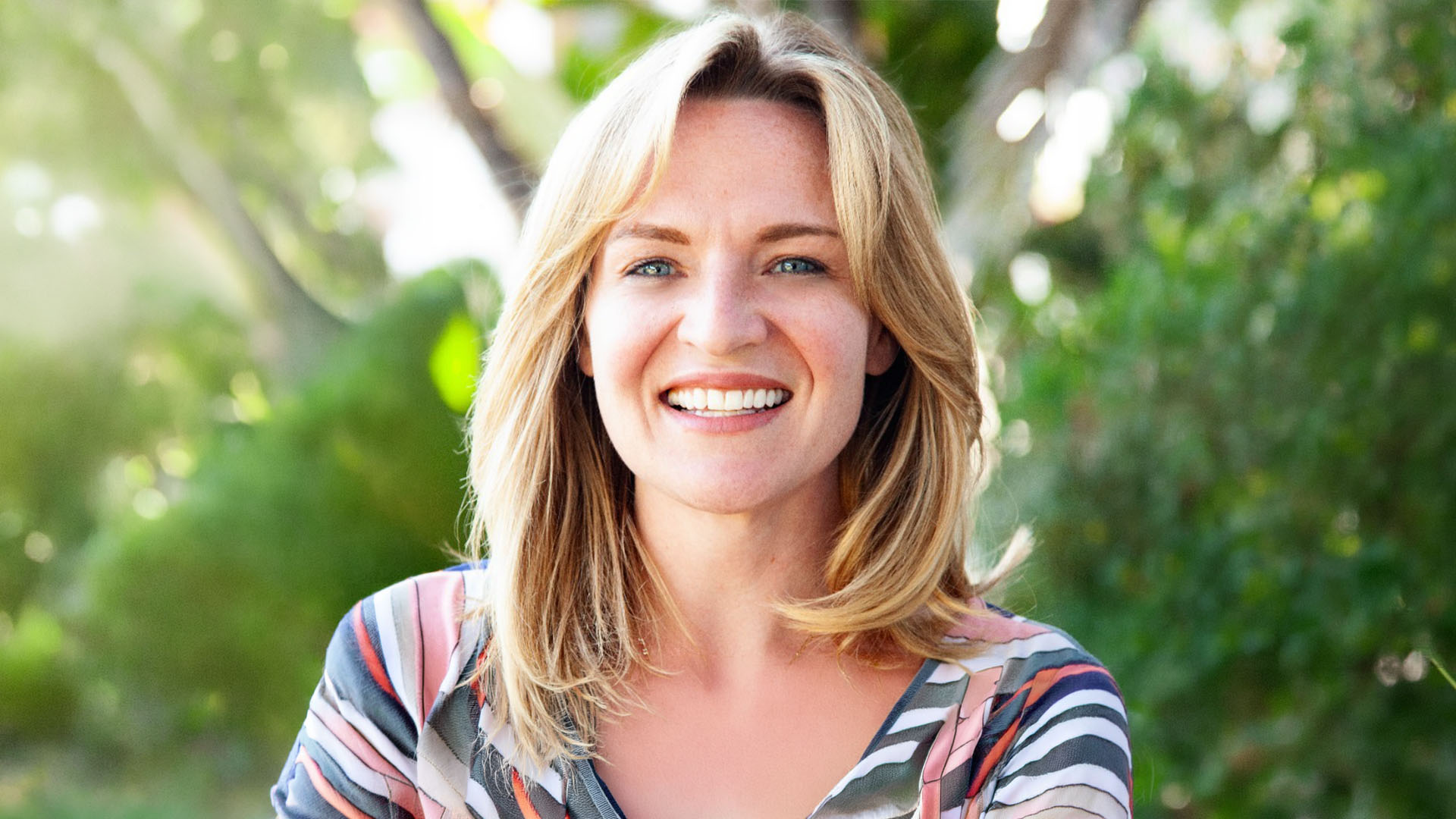
Tiff Thompson, Ph.D., Chief Executive Officer (CEO) of the School of Neurotherapy and Neurofield Neurotherapy, has spent over a decade changing that, training practitioners to move from symptom-level assessment to the underlying neurology driving those symptoms, and giving them the tools to intervene directly there. “EEG isn’t just a diagnostic tool,” Thompson states. “It’s the seminal text of an individual psyche. When it’s read correctly, it reveals the individual’s narrative.”
The Gap Between Psychology and Neurology Has a Cost
Most mental health practitioners work with what clients report, what they observe, and what behavioral patterns they can identify across sessions. That is valuable clinical information. It is also incomplete. The brain’s electrical activity tells a parallel story, one that predates language, bypasses conscious reporting, and captures the neurological reality underneath the presenting symptoms. Developmental lag that explains why a particular intervention keeps failing. Trauma residue that has never been verbally disclosed but is visible in the frequency patterns. Neurological signatures that point toward treatment directions entirely different from those suggested by the clinical picture alone.
Thompson frames this as the holy grail between psychology and neurology, the point where the two disciplines finally speak the same language. Clinicians trained in EEG pathology and quantitative EEG analysis gain access to a precision instrument that transforms assessment from inference to evidence. That shift is not incremental. It changes what is clinically possible.
Making the Science Actionable
The School of Neurotherapy was built around a specific conviction that the gap between neuroscience research and clinical practice is a training problem, not a knowledge problem. The science exists. The tools exist. What has been missing is education rigorous enough to make that science usable in the room with a real client, on a real Tuesday afternoon, under real clinical pressure.
Thompson’s programs, spanning quantitative electroencephalogram (QEEG) certification, neurotherapy certification, neurostimulation training, and hands-on EEG analysis, are designed precisely for that reality. Not to produce researchers who understand brainwaves in theory, but practitioners who can read them in context, profile clinical conditions with confidence, and apply neurostimulation to alter the patterns that assessment has revealed. That full cycle – read, profile, and intervene – represents a fundamentally different level of clinical capability.
The practitioners who develop it are not adding a credential. They are gaining access to what the brain has been recording all along, and learning what to do with what they find. The next generation of brain-based practice will be built by clinicians who refuse to stop at symptom management. It will be built by people willing to go deeper, to read the brain’s own record of a human life, and use that record as the foundation for clinical change.
Follow Tiff Thompson, Ph.D. on LinkedIn for more insights on EEG pathology, QEEG analysis, and the neurotherapy training that is shaping the next generation of brain-based clinical practice.