In a digital-first economy, an executive’s online presence is no longer secondary to their reputation. It is the front line of it. Before a meeting, an investment, or a partnership, the people who matter form their impression of a leader from search results, professional profiles, and AI-generated summaries, and that impression is set long before anyone shakes hands.
The first draft of your reputation is no longer written by you. Search engines, AI platforms, and third parties are assembling it continuously, from whatever material exists, with no obligation to accuracy and no interest in your approval. Every leader has a narrative circulating right now. The only open question is who controls it.
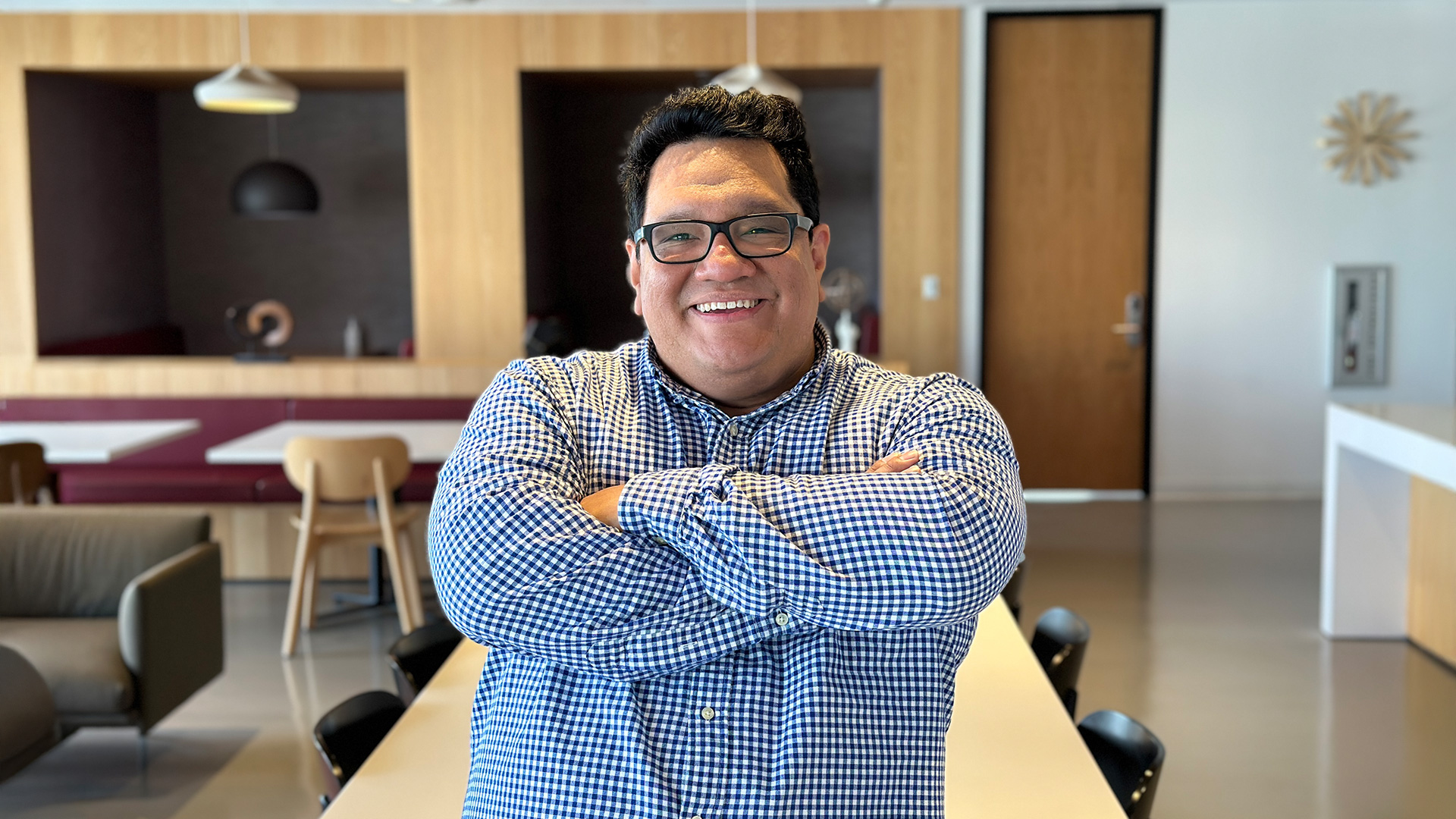
Miguel Heinonen, Chief Executive Officer (CEO) and Chairman of Whitefriar, has built his practice around working with enterprise leaders to take editorial control of their own story before someone else finishes writing it. “If you don’t actively shape your online narrative, someone else will,” Heinonen states. Increasingly, that someone is not even human.
Fragmentation Is a Tax on Authority
Ask an enterprise leader to define their positioning, and the answer comes back sharp. Ask the internet, and the answer comes back in scattered pieces. Profiles emphasize different chapters of the career. Older coverage preserves strategies long since abandoned. AI-generated summaries compress all of it into a portrait the leader would not recognize. Nothing is false, but everything together is incoherent.
Sophisticated audiences read incoherence as a verdict. Either the leader is not paying attention to how they are perceived, or they lack a point of view strong enough to survive repetition. Both conclusions are drawn silently, in rooms the leader never enters, during diligence the leader never hears about.
The leaders who escape this tax are not the ones with the most polished profiles. They are the ones whose message holds so firmly that any fragment, pulled from any platform, in any year, points back to the same identity. That is what consistency actually buys: a reputation that survives being quoted out of context, summarized by a machine, or encountered in pieces.
Silence Is Not Neutral
Executive visibility runs on a brutal asymmetry. A leader who publishes, speaks, and takes positions builds an appreciating asset. Every contribution strengthens the next. Every search result reinforces the pattern. Over time, that leader becomes the default answer to a question their market keeps asking.
A silent leader is not holding ground. They are losing it because the space their perspective should occupy never stays empty. Competitors, the media, and AI platforms claim it, synthesizing an answer about the leader from whatever third parties have said. Silence does not protect a reputation; it hands the pen to someone else. Heinonen puts the standard plainly: the market needs to hear from you, not just about you. A leader known only through others’ words owns nothing of their own narrative.
Reputation Is Infrastructure, Not Insurance
Most executives treat reputation like insurance. Ignore it until disaster, then hope the coverage holds. Heinonen demands the opposite posture. Treat it as infrastructure. Built early, maintained relentlessly, and load-bearing at exactly the moments when everything else is under strain.
Infrastructure built in advance changes how every high-stakes moment unfolds. Authority is established before the conversation starts, credibility absorbs pressure rather than collapsing under it, and the digital record confirms the person in the room rather than contradicting them. “The strongest reputations aren’t built during emergencies,” Heinonen reflects. “They’re built long before.” The leaders who act on that are not bracing for a crisis; they are engineering the conditions under which every opportunity arrives already half-won.
Follow Miguel Heinonen on LinkedIn or visit Whitefriar for more insights on executive reputation management, digital visibility strategy, and building the online presence that positions enterprise leaders for the opportunities they deserve.