For most of the history of medicine, the harm a procedure caused was not a side effect of the treatment, but how the treatment was delivered. A surgeon reached the disease by opening the patient, which meant the trauma, recovery, and risk were the price of access rather than anything therapeutic in themselves.
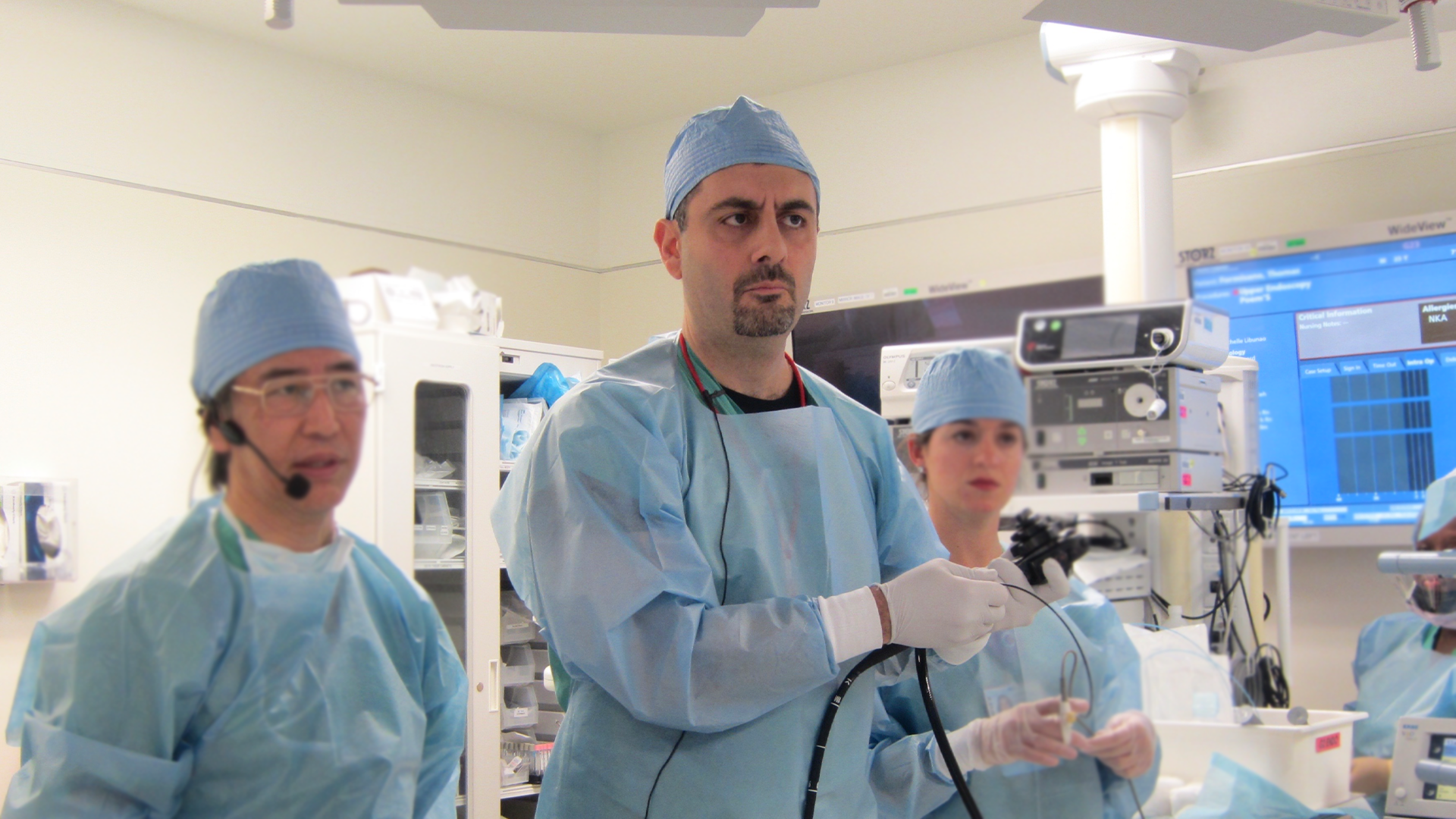
Dr. Michel Kahaleh, Chief Executive Officer of the Foundation for Interventional and Therapeutic Endoscopy (FITE), has spent his career severing that link. He has pioneered advanced endoscopic techniques from endoscopic obesity treatment to complex biliary and pancreatic interventions, and the achievement he describes is not a gentler operation. It is reaching the same disease without cutting the path to it. “That’s not incremental improvement,” he says. “That’s a fundamental change in how patients are being treated.”
The Toll Is No Longer Mandatory
Patients arrive with conditions that historically required complex laparoscopic or open procedures, along with long recoveries, significant risk, and elevated morbidity. Endoscopic resection, therapeutic endosonography, and related interventions now address many of those same conditions.
What matters is what the comparison shows. Kahaleh reports comparable clinical outcomes alongside faster recovery, lower risk, and a substantially better patient experience, which dissolves a tradeoff that clinicians and patients have accepted as permanent in the past. Aggressiveness was assumed to be the cost of effectiveness. Once a physician can reach the disease without the incision, the calculation that governed these decisions for a century no longer applies, and the choice a patient faces changes with it.
Access Now Depends on Who Was Trained
The consequence is uncomfortable. A toll that everyone once paid is now paid only by patients whose physicians have not learned the alternative, which makes geography a factor in how invasive a person’s treatment will be. Kahaleh built FITE around that problem. The Foundation connects endoscopic centers and training programs across regions, sharing knowledge and building expertise where patients previously had no alternative to major surgery. The goal is to expand access to advanced minimally invasive care worldwide.
When physicians in different countries learn the same techniques, standards rise across borders, and entire populations gain access at once. Skill has to be transferred deliberately, since it does not travel on its own, and a technique confined to a few expert centers remains a scientific accomplishment rather than a viable treatment option.
Measured in Recovered Lives
Every refinement exists to return patients to their lives faster and more safely. That is where Kahaleh keeps the work anchored. A patient may now choose endoscopic obesity treatment rather than bariatric surgery, or avoid major hepatobiliary surgery altogether.
The results appear in ordinary terms. Patients return sooner to work, families, and daily life with less disruption. Kahaleh treats the present moment as an early one rather than a destination, and the direction is clear enough. The suffering that surrounded these procedures was never the treatment. It was the cost of getting there, and that cost is now negotiable.
To learn more about therapeutic endoscopy, connect with Dr. Michel Kahaleh on LinkedIn.