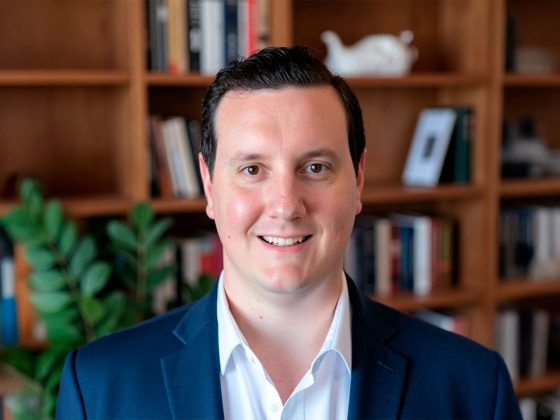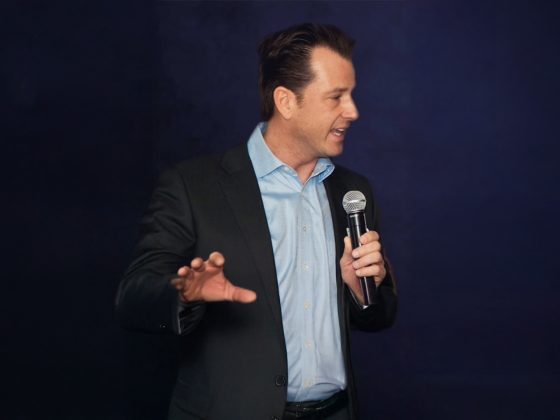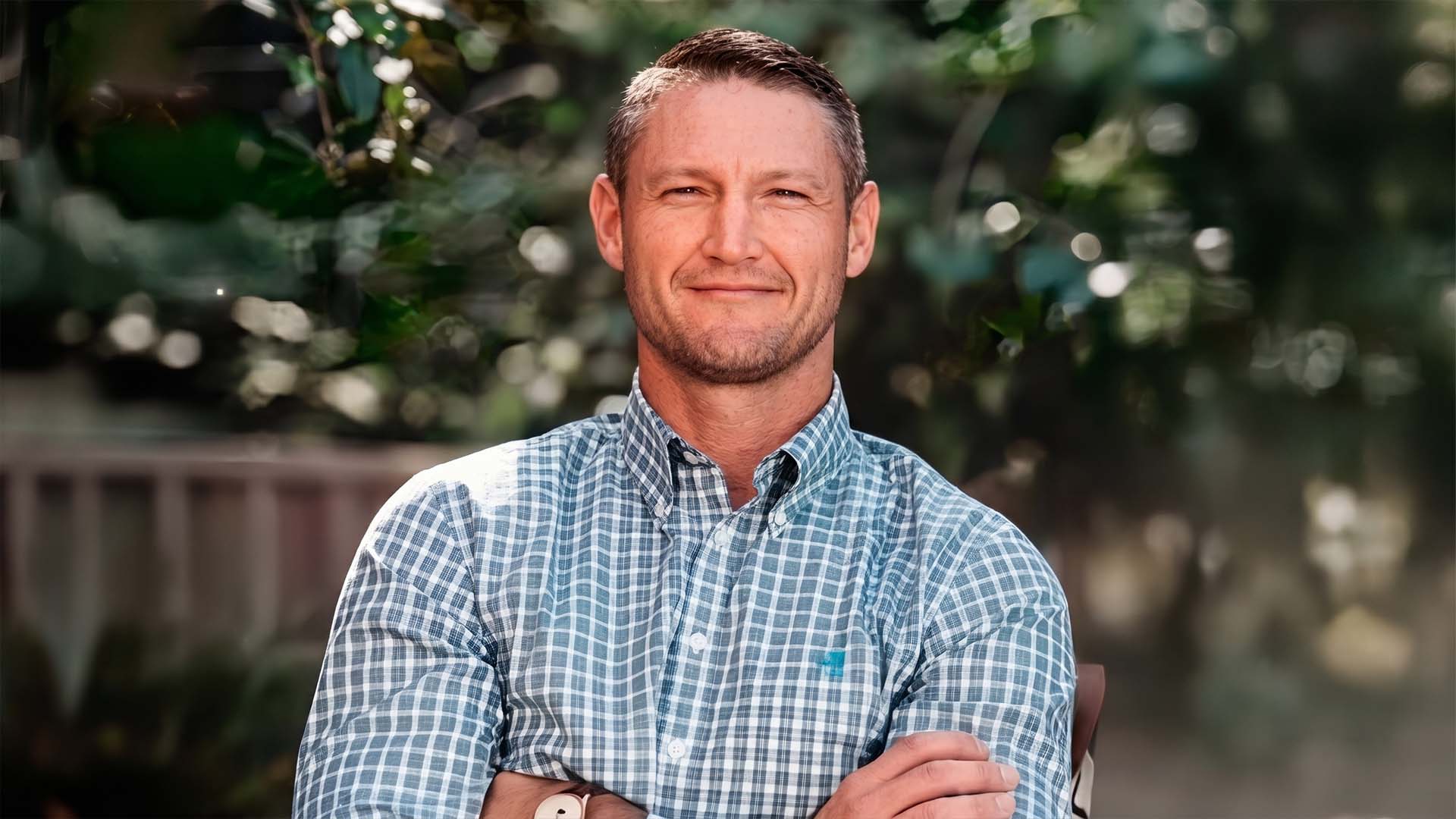
The deals that look cleanest on paper are often the ones that hurt the most. Topline growth can mask broken back-office systems, fragile customer retention, and businesses held together by a single person who has no intention of staying. Bobby Graham, President of BizScout and a veteran of scaling marketplaces at SeatGeek and American Express, has sat on both sides of that equation, closing billion-dollar enterprise deals and running a franchise that, in his own words, humbled him. “M&A isn’t about perfection,” Graham states. “It’s about clarity. The best operators don’t avoid risk. They understand it, they plan for it, and they know when to walk.”
Know What You Are Actually Buying
Due diligence in mergers and acquisitions (M&A) is too often treated as a financial exercise. The real work is operational and cultural, sometimes even emotional. Before revenue numbers or headcount create the pull that clouds judgment, the more important questions are about the systems underneath the business, the people keeping it functional, and whether the growth being presented is actually repeatable without the conditions that generated it.
At BizScout, Graham helps buyers surface these red flags before close, not after. The goal is to ensure buyers are not acquiring a job, a liability, or a dependency on a single person the seller has not mentioned. Understanding what you are really buying is the first discipline that separates operators who build value from those who spend their first year unwinding surprises.
Risk Is Not the Problem. Unmanaged Risk Is
Not all risks warrant walking away from a deal. The more useful question is whether the risk has a viable path to reduction over a defined timeline. Customer concentration is a common example: a business generating 80% of its revenue from a single platform looks dangerous in isolation, but with a credible 12- to 18-month diversification plan, it becomes a manageable exposure rather than a fatal flaw. Graham worked through exactly that scenario in an e-commerce acquisition, where the concentration and risk were real, but the roadmap turned it into a success.
What is dangerous is risk without a path, exposure that has no realistic strategy for reduction and no timeline for managing it down. Growth should be staged accordingly: buy what you can manage now, and build a clear strategy for what to optimize next. Chasing the upside before the downside is understood is where most M&A operators get into serious trouble.
People Risk Kills Clean Deals
Spreadsheets do not generate growth. People do. The founder who is leaving, the leadership team whose loyalty is to the seller, and the key employee who owns every customer relationship and has not signed a retention agreement are the variables that determine whether a deal creates or destroys value. Before any acquisition, the questions that matter most are: What happens when the founder walks away? What knowledge exists only in someone’s head? Who the customers actually trust?
In one acquisition Graham reviewed, the founder was the product. The entire business was built around a single person’s relationships and expertise. Once the transition was mapped and the processes were documented, what had looked like an existential risk became a defined growth opportunity. Without that plan, the deal would have collapsed. People risk is not a soft concern to address after close; it is a structural question that belongs at the center of deal evaluation from the first conversation.
Follow Bobby J. Graham on LinkedIn for more insights on small business M&A, acquisition strategy, and building the operational clarity that turns risk into growth.