An executive team is the only group in a company that grades its own working conditions. Everyone below it operates inside an environment someone else designed, and when performance slips, that environment gets examined. The leadership team has no such external party. It sets its own priorities, decides how much disagreement is permitted in its own meetings, and determines where accountability sits, then reviews the resulting performance as though the conditions were handed to it.
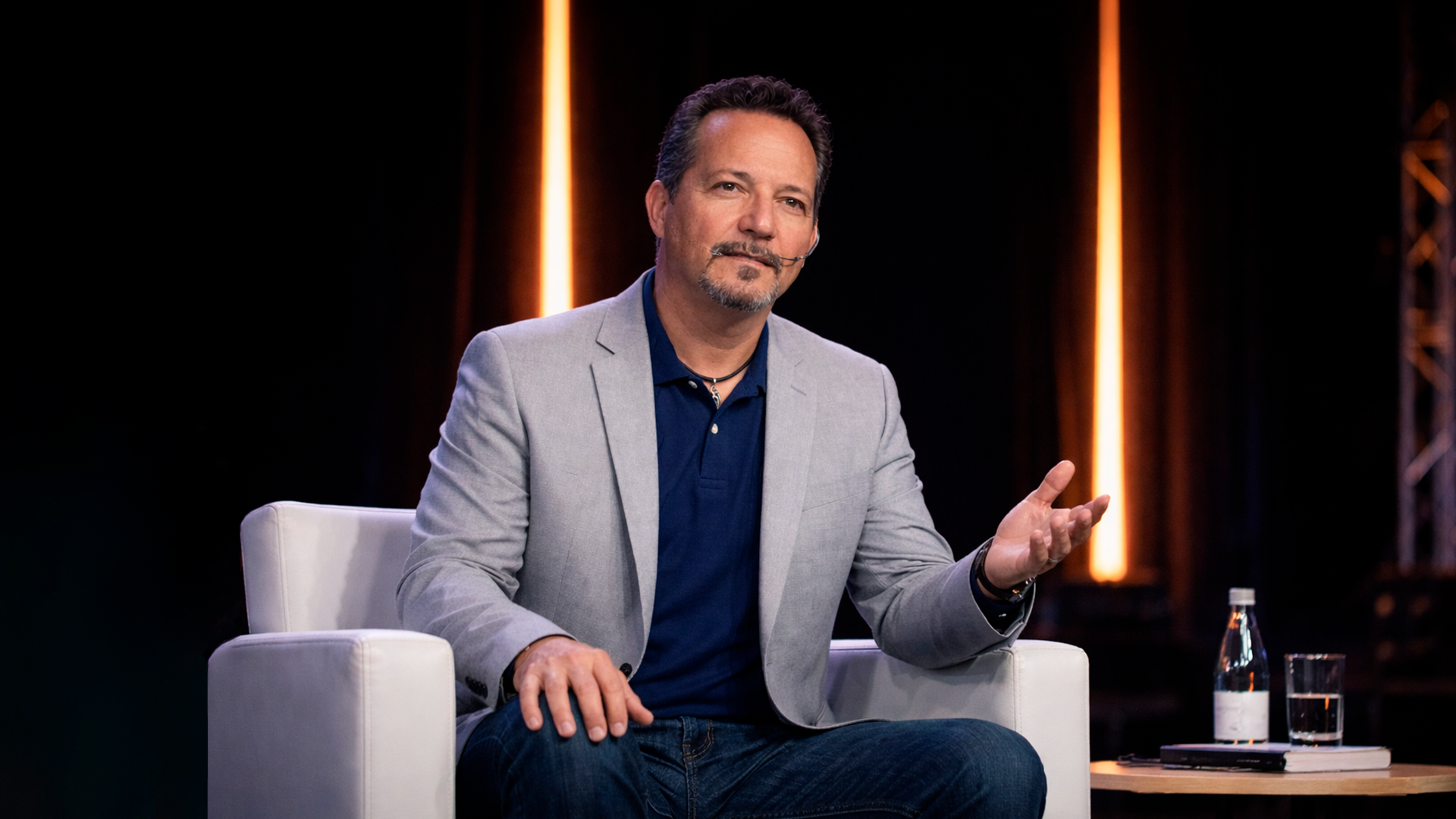
“It’s not a people’s problem,” he says. “It’s a conditions problem.” Javier Castillo Gil, Co-Founder and Managing Partner at The Morphing Group, LLC, works with leadership teams where decisions drag, priorities compete, and meetings end without anything moving. The team is evaluating its own output and calling it circumstance.
Clarity Before Momentum
Execution breaks down fastest when people move in different directions without realizing it. There is no argument, visible conflict, or any signal that anything is wrong. Everyone works hard, only for the effort to cancel itself out. Every leader in the room has to be clear on the priorities, what success looks like, and their own role in reaching it.
Assuming clarity is one of the most expensive mistakes a leadership team can make. It is expensive because the assumption is comfortable. Confirming clarity requires someone to ask a question that risks exposing disagreement at the top, which is exactly what a leadership team is least inclined to do.
Functional Trust, Not Just Personal Trust
Leadership teams with good personal relationships still fail to make fast, clean decisions together, and the strength of the relationships is part of the reason. Functional trust means a team can challenge each other, surface hard truths, and disagree openly without the disagreement slowing everything down.
Personal warmth pulls the other way. People who like each other protect the relationship by avoiding the friction that good decisions require. What looks like a healthy team can be a team declining to say the difficult thing. “That kind of trust does not happen naturally,” Castillo Gil says. “It is built through how leadership chooses to operate every single day.”
Accountability Held by the Team
When accountability flows only from the chief executive officer downward, execution becomes fragile. One single person cannot hold everything together indefinitely. High-performing teams build shared accountability, where every leader owns the whole rather than their function. A leader accountable only for their own function will optimize it, which is rational behavior, but it also produces the competing priorities that stall the organization. Nobody is failing, yet the structure is asking each of them to pull in a different direction and then measuring the result.
“The conditions your executive team needs to execute do not come with the organizational chart,” Castillo Gil says. They come from intentional work at the leadership level. So when a talented team underperforms, he redirects the question. Examine the conditions built for them to work in.
A leadership team that cannot diagnose its own environment will keep replacing people inside a structure that would defeat anyone. To learn more, connect with Javier Castillo Gil on LinkedIn, visit his YouTube channel, or get your hands on his book, Not in the Room.