Every efficiency gain in the history of the modern workplace has been reinvested in volume. Email replaced memos and correspondence multiplied, calendars went digital, and meetings expanded to fill them; collaboration tools arrived, and coordination became a full-time occupation.
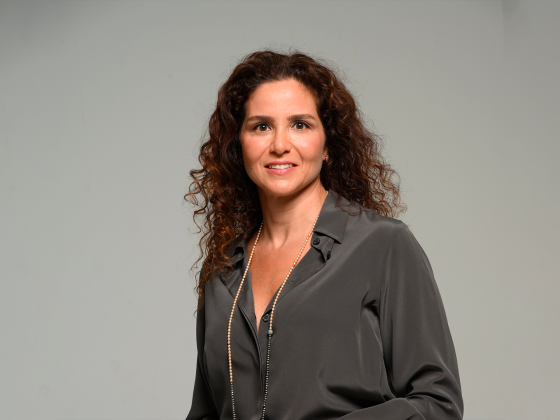
Julie A. Stone works with leaders on human performance strategy, and she points out that AI is meeting the same reflex. “Most of us are spending the time AI gives back cramming in more of what we have always done,” she says. More emails, content, and meetings, all with the pace and pressure climbing alongside it. The reflex is not carelessness. Organizations measure output because output is measurable, but no one has an instrument for what efficiency was supposed to buy.
Naming Where People Actually Create Value
Stone starts by looking at what actually takes up people’s time each day. Coordination, status updates, and chasing approvals can consume an enormous share of it, a pattern documented in Asana’s Anatomy of Work research. AI can absorb much of that work, but the more interesting question is what happens next: “The real question is what we do with the space it opens,” Stone says.
The answer is judgment, creativity, collaboration, and the kind of thinking only people can do. Naming those in advance is important since the space does not stay open on its own. If nobody decides what it is for, it fills with whatever the measurement system rewards, which is almost always more of the same output at a faster rate.
Capacity as a Business Asset
Capability describes what people can do, while capacity describes their ability to apply it and sustain that over time, and the latter has no line on any balance sheet. Judgment and creativity depend on clear heads, so people interrupted all day and running at full speed produce lower-quality thinking regardless of how capable they are. An organization that has optimized every process and left its people in permanent reactive mode has bought efficiency at the cost of the exact faculty it now needs most. Stone’s prescription is to, alongside optimizing the work, optimize the conditions people need to do it well. Treating capacity as an asset means protecting it deliberately rather than spending it invisibly.
Designing Rhythms on Purpose
Stone points to the four-day work week pilot in the UK, which involved 61 organizations, as evidence that rhythm is a variable leaders can set rather than inherit. Many participants held or improved business performance, while retention rose and sick time fell.
She is careful not to prescribe the four-day week itself, and the broader lesson she draws is about intention. Most organizations never chose their working rhythms, having accumulated them from decades of accreted habit, tool defaults, and calendar conventions nobody examined. A rhythm designed on purpose can be evaluated and adjusted, whereas one that arrived by accumulation is simply endured.
The shift that Stone describes is a change in the question leaders have been asking. “For decades, we asked ‘How do we optimize the work?'” she says. “The better question is ‘How do we create the conditions for our people to make their best contribution?'” Every organization now has access to the same tools, and the coordination layer is being absorbed everywhere at roughly the same rate. What differs is whether the recovered hours get spent on more volume or invested in the thinking that no tool supplies.
Companies that make that choice deliberately will hold an advantage over those that let their measurement systems make it for them. To learn more, connect with Julie A. Stone on LinkedIn.