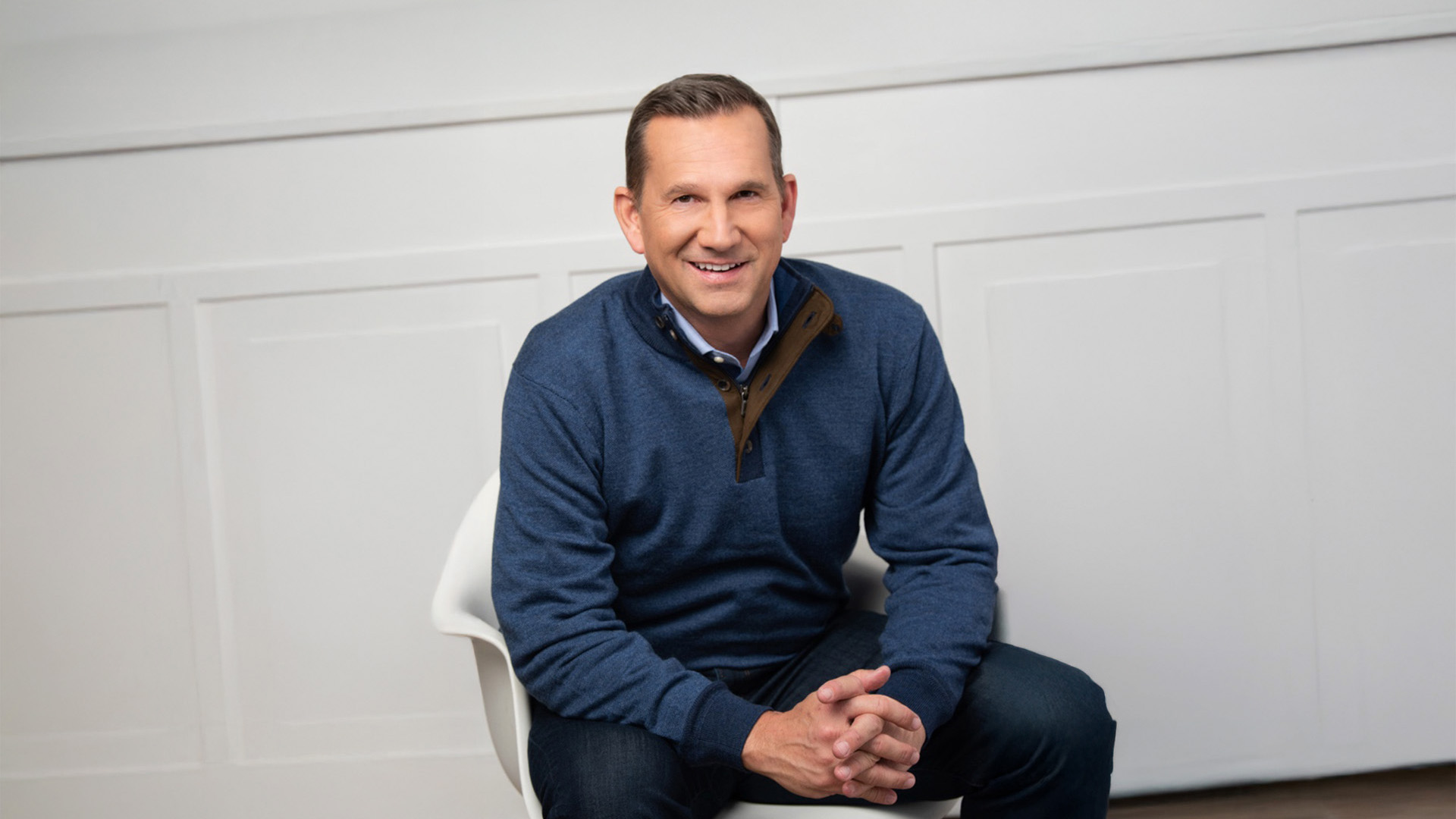
Scaling healthcare software companies requires more than just hiring talent and hoping for growth. Success comes from creating alignment across teams that traditionally operate in silos. Bradley Roger Swenson has spent 15 years helping healthcare SaaS companies navigate the complex journey from early traction to nine-figure revenue, focusing on the critical inflection points where structure and strategic alignment become essential for sustained growth.
Building Revenue-Focused Alignment
Most companies struggle with departmental silos that work against sustainable growth. Sales chases deals, marketing focuses on lead generation, and customer success measures satisfaction scores. Bradley sees this fragmented approach as a fundamental barrier to scaling effectively. “Sales, marketing and success shouldn’t be chasing separate KPIs. They need one shared outcome: revenue impact,” he explains.
This shift requires rethinking how teams measure success and contribute to company objectives. Marketing teams need to own pipeline development, not just lead quantity. Customer success teams must drive expansion opportunities rather than simply maintaining client satisfaction. When departments understand their role in revenue generation, collaboration stops being forced and becomes natural. Bradley’s approach transforms competing priorities into shared goals that drive meaningful business outcomes.
Creating Shared-Operating Rhythm
This is where most companies fail. They hold a comprehensive meeting, everyone agrees to work together, and then a month later they’re back to the same old problems. Bradley learned this lesson the hard way. You can’t just talk about alignment once and hope it sticks. “It’s not just a one-off, it’s a weekly habit. Shared dashboards, unified QBRs, ultimately leading to one source of truth across go-to-market teams,” Bradley explains. The transformation happens when everyone’s looking at the same numbers every week. No more arguing about whose data is right. No more confusion about what’s actually happening with customers. When teams work from the same information, decisions get made faster. Problems get solved before they escalate.
Coach Leaders to Think Beyond Their Lane
Bradley doesn’t let his leaders stay in their comfort zones. Marketing people who only think about marketing don’t scale. Customer success managers who never think about sales miss huge opportunities. “I push my marketing leaders to think post-sale. I want my success leaders to shape the upsell strategy,” he says. This isn’t about everyone doing everyone else’s job. It’s about understanding how the pieces fit together. A marketing leader who knows what happens after the sale creates better leads. A customer success leader who understands sales can spot expansion opportunities that others miss. Bradley pushes his people to see the whole picture, not just their small piece of it.
Every growing company hits the same wall. Revenue is climbing, but everything feels harder. The natural response is to hire more people. Bradley’s seen too many companies try to solve alignment problems by throwing bodies at them. “Scaling isn’t just about adding headcount. It’s about aligning your people, your rhythm and your goals,” he points out. Getting the foundation right matters more than growing fast. Well-aligned groups can outperform larger teams that don’t collaborate effectively. Bradley’s companies learn this lesson early. Fix the alignment first, then grow the team. Not the other way around.
Bradley’s approach works because it’s simple. Get everyone focused on revenue. Make sure they talk to each other regularly. Push leaders to think beyond their departments. It’s not revolutionary stuff, but it works. The healthcare SaaS space keeps changing, which means the companies that can adapt quickly have a significant advantage. Bradley’s methods give teams the flexibility they need to pivot when markets shift. “If you’re building or rebuilding a commercial engine, I’d love to connect and compare notes,” he offers. That willingness to share ideas and learn from others shows up in how Bradley approaches scaling challenges. The best solutions usually come from collaborative efforts, not from any one person having all the answers.
Follow Bradley Roger Swenson on LinkedIn to explore how smart alignment drives lasting growth in SaaS.