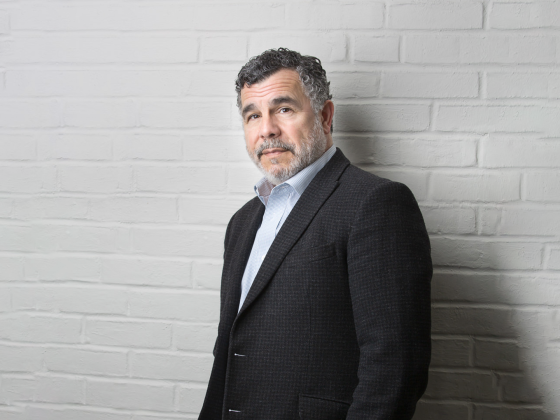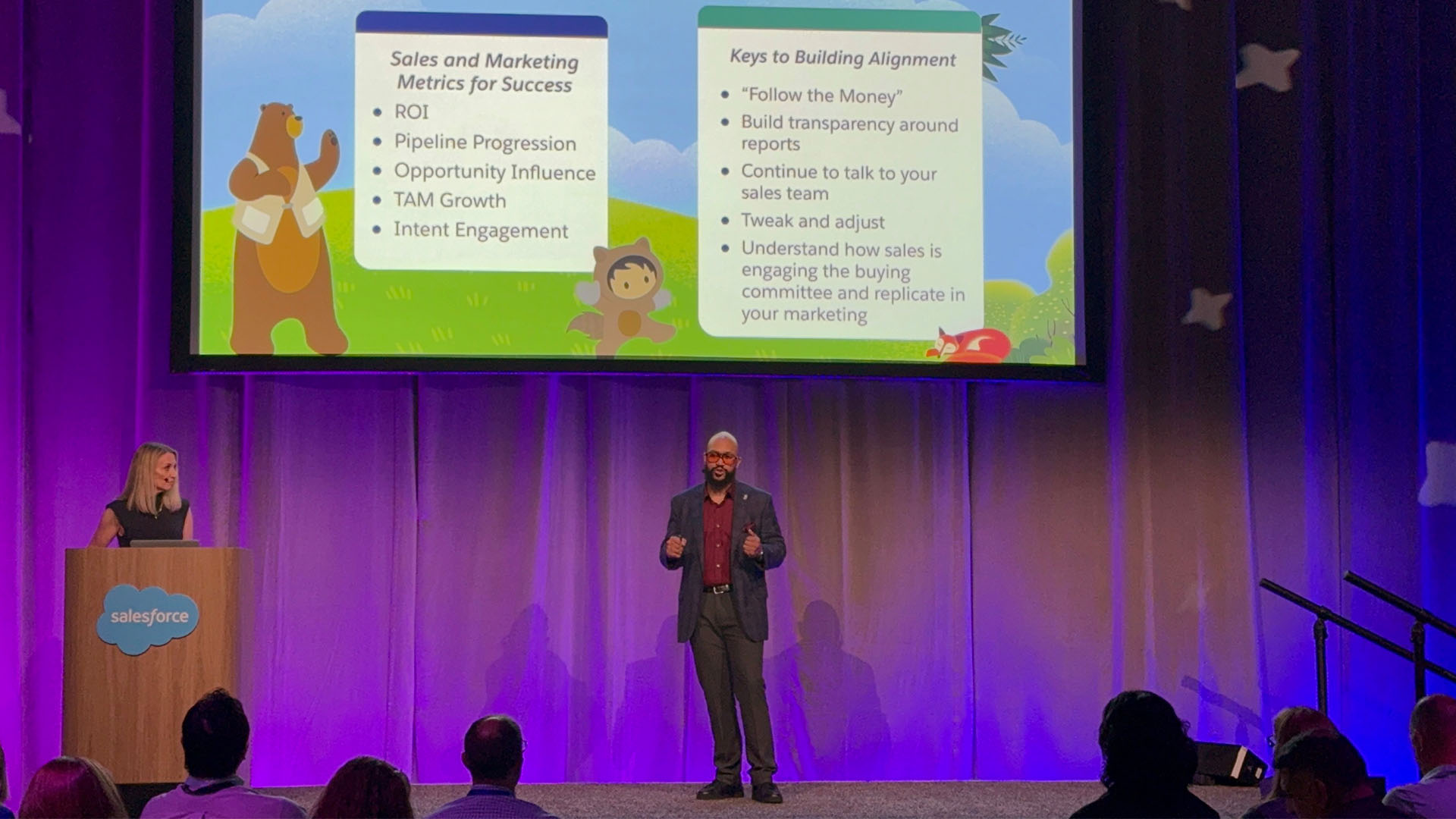
Product development teams often get caught up in collecting data without knowing what to do with it. The real challenge isn’t having enough analytics but asking the right questions before diving into dashboards. Brian Moore, Director of Product Management at Salesforce and co-founder of Canis Major Digital, has spent over a decade turning data insights into actionable product strategies that drive measurable growth.
Strategic Questions Come Before Data Collection
Here’s what Brian sees happening everywhere: teams jump straight into building analytics without knowing what they’re trying to solve. “One of the biggest mistakes I see teams make is jumping straight into dashboards or metrics without asking the right questions,” he says. It sounds obvious, but you’d be surprised how often this happens.
The fix is simple but requires discipline. Figure out what decisions you actually need to make first. Maybe it’s which features to build next, or how to keep users from churning, or whether you’re ready to expand into new markets. Once you know what you’re deciding, you can work backwards to figure out what data actually matters. At Salesforce, Brian’s team won’t even start a roadmap discussion without clear business goals. “We frame every roadmap discussion around specific business goals and then use analytics to guide our next move,” he explains.
Creating Dynamic Roadmaps Through Continuous Learning
Static roadmaps are dead roadmaps. The best products change direction when users show them something unexpected. He learned this lesson building Canis Major Digital, where artist behavior kept surprising his team. “We’ve embedded analytics into every stage of our platform, and this has allowed us to quickly pivot features in response to artist behavior and market trends,” he says. This means treating your roadmap as a living document that breathes with your product. Customer data, A/B tests, and direct feedback all feed into strategic decisions.
But here’s the key part: you have to actually listen to what the data is telling you. “Think of your roadmap as a dynamic conversation between your product and your users or customers,” Brian suggests. When teams get this right, they stop building what they think users want and start building what users actually need.
Aligning Teams Around Shared Metrics
Data silos kill products faster than bad code. When engineering tracks one set of metrics, product monitors another, and marketing has their own dashboard, nobody’s making good decisions. He has seen this problem destroy promising initiatives. “Analytics lose their power if they’re siloed. I’ve seen the most success when product, engineering, and go-to-market teams align around a common set of KPIs,” he points out. The solution isn’t just sharing dashboards. Teams need to understand why metrics matter, not just what they show. At Salesforce, Brian’s team runs regular sessions where everyone learns to read the data the right way. “We emphasize cross-functional analytics rituals so everyone understands the why behind their product decisions,” he notes. When everyone speaks the same data language, decisions happen faster and products get better.
Training Teams to Analyze
Data scientists are great, but they can’t be the only people on your team who understand analytics. The strongest product teams train everyone to read data, spot problems, and ask tough questions. “Your roadmap is really only as strong as your team’s ability to interpret data,” Brian says, and he’s not kidding. This doesn’t mean turning everyone into a statistician. But people should know how to read a dashboard, notice when numbers look weird, and challenge assumptions based on what they see. “I advocate for analytics literacy at every level, not just with the data scientist. Train your teams to read dashboards, question anomalies, and challenge assumptions,” Brian explains. When your whole team can think analytically, data stops being something that happens to your product and becomes a force that shapes it.
Good products don’t just collect data or build features. They use insights to create real impact for users and business results. He has spent years perfecting this balance between analytical rigor and strategic thinking. “The best product roadmaps aren’t built in isolation. They’re shaped by real insights, continuous learning, and team-wide alignment,” he says. The difference between data-driven and data-informed teams comes down to purpose. Organizations that just follow metrics build incremental improvements. Teams that use analytics strategically build breakthrough products. “When you harness analytics with purpose, you don’t just build features, you build impact,” Brian concludes. That’s the difference between having data and actually using it to change outcomes.
Connect with Brian Moore on LinkedIn to learn how strategic analytics can drive real product growth.