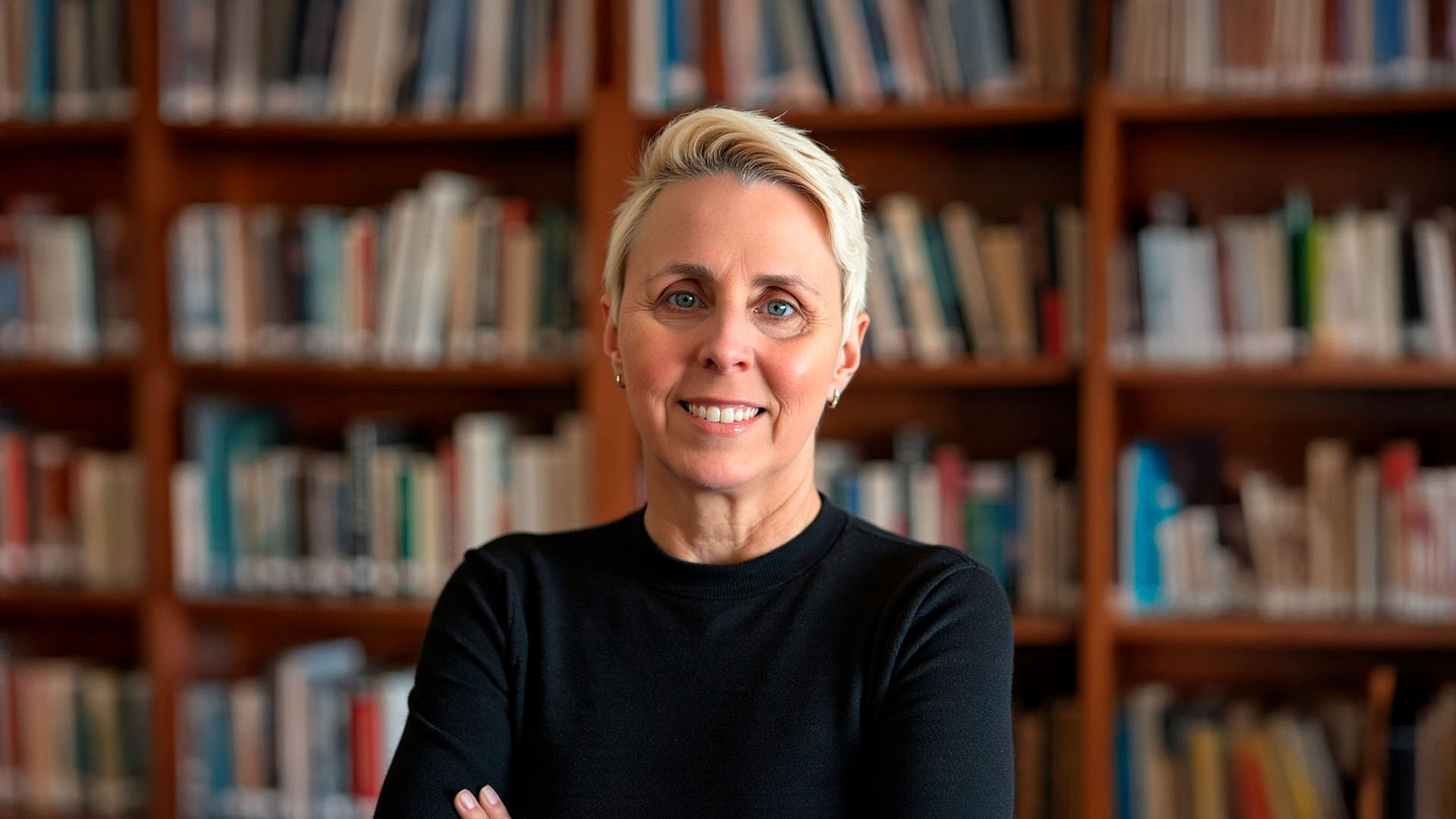
Leadership theories are everywhere—taught in classrooms, dissected in books, and debated in boardrooms. But leadership isn’t theoretical when you’re managing a construction crew or running a high-stakes project. In the field, authority alone doesn’t get the job done. That’s something Delaine A. Deer learned early and carried with her as she transitioned from construction leadership to consulting. She didn’t just change industries—she built a leadership model that applies across them.
Where the Old Playbook Falls Short
Construction taught Delaine what most textbooks leave out. “When I first stepped into leadership, it was in construction, a field built on structure, timelines, and command,” she recalls. But command and control didn’t deliver the results she expected. “What I found most effective didn’t come from having all the answers. It came from asking better questions and building trust early.”
That shift reshaped how she leads. Instead of relying on hierarchy, her approach focuses on clarity, trust, and adaptability. It brings the right people into the room early, values operational insight, and prioritizes how teams function—not just what they deliver. “Leadership that lasts isn’t about control, it’s about clarity, connection, and the ability to evolve,” she explains.
Years of experience in both public and private sectors gave her the chance to see what actually works. “I’ve seen what happens when leaders stop relying on authority and start leading with intention.” Her model now centers on three principles: collaboration, innovation, and clarity.
Collaboration Isn’t a Buzzword—It’s a Strategy
Delaine doesn’t treat collaboration like a box to check. She uses it to drive outcomes. “When people are part of the process, they’re more committed to the result. It’s not just about buy-in, it’s about ownership,” she says.
That mindset paid off on one of her major capital projects. Rather than hand down finished plans from the top, she pulled in frontline supervisors and field teams during the planning phase. They quickly flagged issues that could’ve caused costly delays. “By making space for their input, we built a smarter schedule and saved both time and money.”
For her, collaboration doesn’t mean dragging every decision through consensus. It means listening to the people who know the work best and using their insights to make better calls.
Innovation Comes From Inside the Team
Innovation isn’t always about new tech or outside consultants. Often, the solution is already within the team—it just hasn’t been heard. “You don’t need a clean slate to do something different. Sometimes the best solution is already on the table, you just have to hear it.”
That lesson surfaced during a strategy reset when a team member—not even on the leadership track—quietly pointed out a pattern in client feedback. “She spotted a pattern in client feedback that we had missed. Her insight reshaped how we delivered part of our service and led to measurable improvements in client retention.”
The takeaway was clear: innovation doesn’t always start with a brainstorm. It starts with listening.
Clarity Builds Momentum
Delaine has seen strong teams fall short not because of effort or ability, but because the goalposts were vague. “Unclear goals stall good teams. The more precise you are about vision, expectations, and outcomes, the faster people can move with purpose.”
On one project, a skilled team kept missing milestones—until they stopped to clearly define what success actually looked like. From there, everything changed. “People want to do good work. They just need a clear target.” In her experience, clarity isn’t about micromanaging—it’s about giving people direction so they can move forward.
Leadership That Aligns, Not Commands
The traditional leadership model—built on hierarchy and control—no longer fits the pace or complexity of today’s work. “Leadership today isn’t about hierarchy, it’s about alignment,” Delaine says.
That’s the thread running through her entire approach: helping leaders stop over-functioning and start building systems that guide people without handholding. “The future belongs to leaders who know how to bring people together and move them forward with clarity and trust.” It’s not complicated, but it does require a mindset shift—from control to connection.
Now, through her consulting practice, Delaine works with leaders across industries who are ready to move away from outdated management models and toward the kind of leadership that builds resilient, high-performing teams.
To learn how Delaine A. Deer helps teams move forward with clarity and trust, connect with her on LinkedIn.