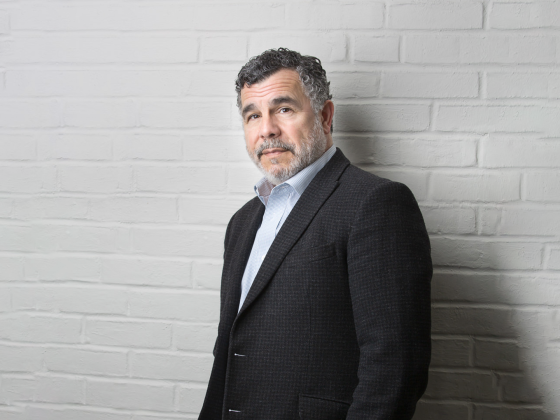
Deadlines slip, handoffs break, and someone asks the same question for the fourth time this month. Most leaders treat these as isolated incidents when, in fact, they are symptoms of patterns that produce predictable outcomes. Noah Boudreaux has spent two decades in executive leadership, helping companies grow by recognizing that the most critical leadership skill isn’t solving problems faster but identifying the patterns creating those problems in the first place.
Most leaders spend their time reacting to what appears urgent instead of addressing what’s systemic. The issue isn’t that problems are new but that the patterns behind them never change. After years of watching organizations struggle, Boudreaux has learned that pattern recognition separates leaders who constantly firefight from leaders who build systems that prevent fires from starting.
From Reacting to Predicting
One-off problems surprise leaders while patterns prepare them. The moment something repeats, the question shifts from why this is happening to what the system is wired to produce. “That shift alone takes you out of constant firefighting and puts you in a place where you can actually anticipate issues before they happen,” Boudreaux explains. “And when you can predict something, you can prevent it.”
Boudreaux has worked with leadership teams at Mesh long enough to observe this transformation regularly. A CEO frustrated by project delays starts tracking when delays occur instead of just reacting to them. The pattern emerges immediately as delays cluster around specific handoff points where accountability blurs between teams. The problem isn’t motivation or even capability. It’s unclear ownership.
Once the pattern becomes visible, the solution becomes obvious. Clarifying who owns what at each handoff causes delays to drop dramatically, not because people work harder, but because the system stops producing confusion. That’s the power of moving from reaction to prediction. Reacting means addressing symptoms as they appear, while predicting means recognizing the conditions that produce symptoms before they manifest.
What You See Isn’t What’s Broken
Surface-level observations are often misleading. Teams feeling overwhelmed and projects running late may appear to be separate problems requiring different solutions when they’re actually manifestations of the same underlying pattern. “When you look at patterns, the real cause becomes obvious,” Boudreaux notes. “Your team feels overwhelmed. It’s rarely workload. It’s a priority pattern.”
Team overwhelm usually stems from unclear priorities. When everything feels urgent, people waste energy competing with demands instead of making meaningful progress. The symptom looks like overwhelm, but the pattern is actually a lack of clarity and prioritization. “Patterns show you the truth underneath the noise. And once you see the real cause, the solution becomes ridiculously clear,” Boudreaux emphasizes.
One Pattern Fixed Can Transform Everything
Leaders who only manage performance see symptoms. Leaders who remove obstacles address root causes. “Leaders often think they need new processes, new tools, more people, but in reality, one pattern shift can change the entire system,” Boudreaux explains. Patterns create ripple effects throughout systems, which means changing the right pattern makes the whole business feel the difference almost immediately. The art is identifying which patterns carry the most weight. In Boudreaux’s experience, the highest-leverage patterns typically involve clarity around three areas. First, what matters most; second, who owns what through accountability; and third, how decisions get made through authority.
See the Pattern, Change the System
Boudreaux’s advice to leaders is that the next time something frustrating happens, they shouldn’t just fix the moment but should pause and ask whether they’ve seen this before. If the answer is yes, the opportunity isn’t the problem but the pattern behind it. One-off issues require one-off solutions, while recurring issues require pattern-level thinking that addresses root causes instead of symptoms.
“Once you learn to see patterns, your leadership and organization can rise above them to achieve your goals,” Boudreaux concludes. It’s not about who solves problems the fastest. It’s about recognizing which problems keep repeating, identifying the underlying patterns, and eliminating the root cause so the problem stops occurring.
Connect with Noah Boudreaux on LinkedIn for insights on pattern recognition and operational leadership.